
KAI Stations Take on a Bigger Role, Driving More Connected Urban Mobility
Railway stations are taking on a bigger role in urban life. Beyond serving as places for arrivals and departures, stations are increasingly becoming points that connect daily mobility, economic activities, and communities across regions.
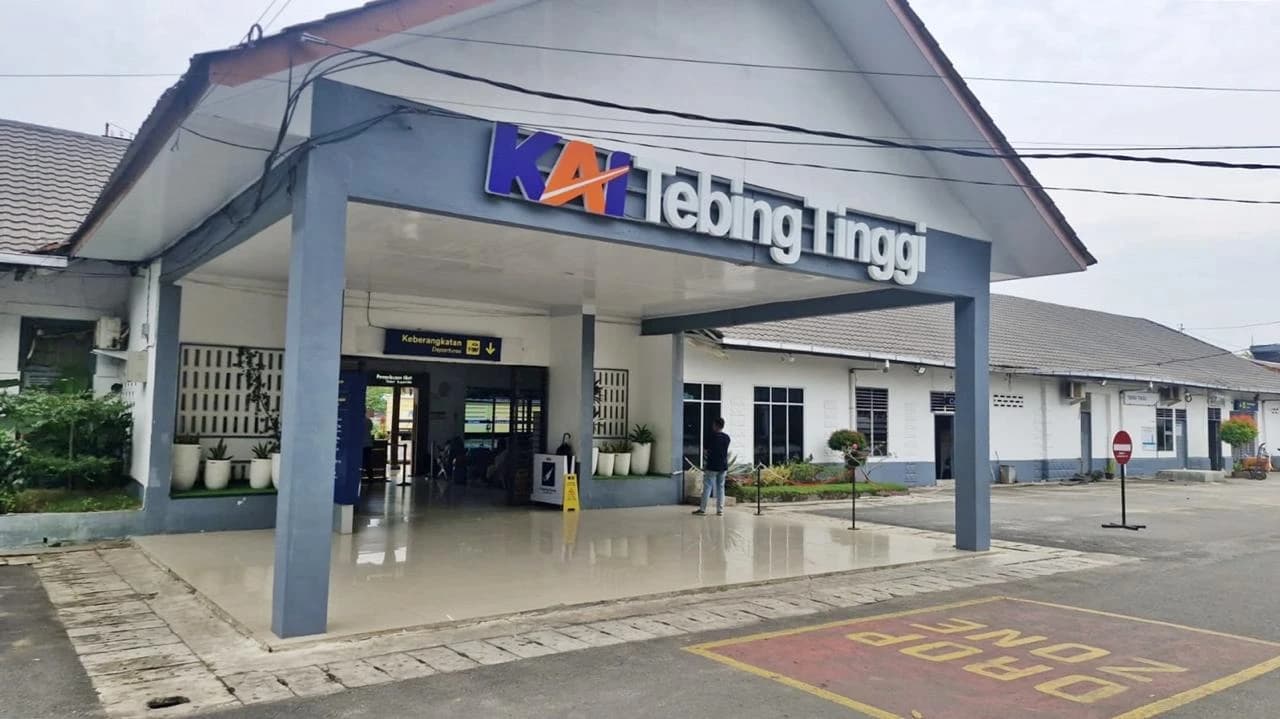
Over 159 years of Indonesia’s railway journey, rail networks have grown alongside cities across the country. This can be seen in stations such as Lubuk Linggau in South Sumatra, Tebing Tinggi in North Sumatra, as well as Madiun, Ketapang Banyuwangi, and Cikampek, each playing a role in supporting local mobility and regional connectivity.
Around the world, cities such as Tokyo, London, and Paris have also transformed areas around railway stations into active urban centers by integrating public transport with business districts, housing, retail, and public spaces through the Transit Oriented Development (TOD) concept.
Taking inspiration from these developments, KAI continues to expand the role of its stations by connecting them more closely with community needs and the growth of surrounding areas. Transport integration, station facilities, and supporting areas are all part of this development.
KAI Vice President of Corporate Communication Anne Purba explained that every station has its own story, closely tied to community mobility and regional development. She added that experiences from cities around the world provide valuable references for KAI as it continues to develop railway services and surrounding areas in line with changing mobility patterns.
The initiative is also aligned with KAI’s Long-Term Corporate Plan (RJPP), which aims to provide railway services that are increasingly integrated with community needs, urban development, and evolving mobility patterns.
The growing role of rail is also reflected in customer numbers. From January to August 2026, KAI Group served 351,602,397 customers, marking a 7.09% increase from 328,311,868 customers during the same period in 2025.
Of the total, 317.7 million customers, or 90.29%, used public services provided through the Public Service Obligation (PSO) scheme and pioneer services.
The growth highlights the increasingly important role of rail in supporting everyday activities across Indonesia. From stations shaped by history to those supporting the cities of tomorrow, KAI continues to develop stations as an essential part of Indonesia’s mobility network.