
More Connected, KAI Group Serves 307.86 Million Passengers Through July 2026
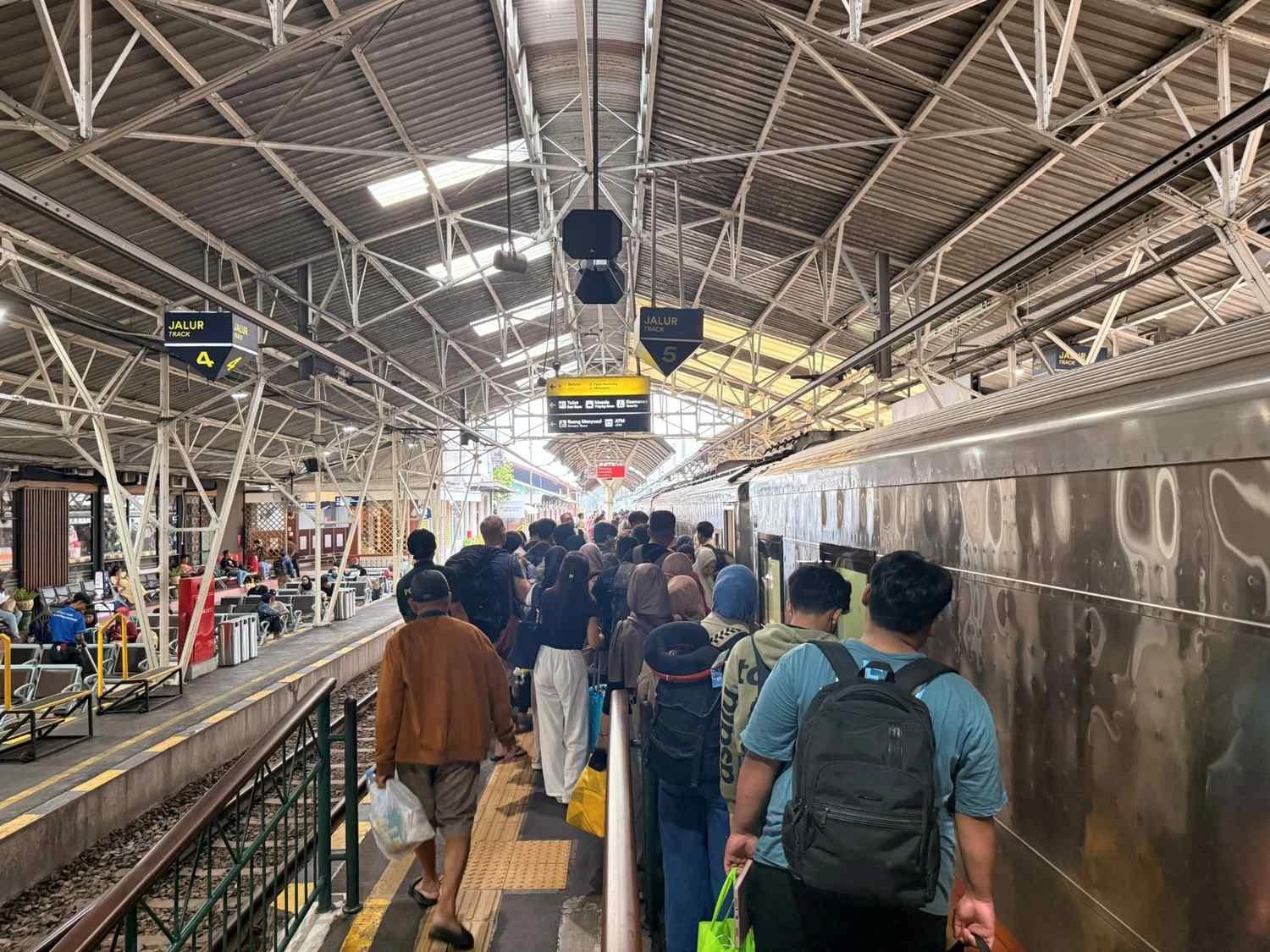
Whether traveling between cities, commuting within urban areas, catching a flight, accessing economic centers, or simply looking for a different travel experience, people now have more options to choose from. Through an expanding transportation ecosystem, KAI Group continues to provide services that make it easier for passengers to stay connected from one destination to another.
From January to July 2026, KAI Group served 307,860,743 passengers, an 8.32% increase from 284,202,884 passengers during the same period in 2025.
The growth was recorded across various services, including KAI’s Long-Distance and Local Railway services, KAI Commuter, LRT Jabodebek, KAI Wisata, Makassar–Parepare Railway, KAI Airport Railway, and Whoosh operated by KCIC.
KAI Vice President of Corporate Communication Anne Purba said the growth in passenger numbers reflects the increasingly important role of rail-based transportation in meeting the diverse travel needs of the community.
Each service has a complementary role. When intercity journeys are connected with urban transportation, airports, regional services, premium travel, and high-speed rail, people have more options to plan their journeys according to their needs. This is the connectivity that KAI Group continues to strengthen.
For intercity travel, KAI’s Long-Distance and Local Railway services remain one of the key transportation choices for passengers. From January to July 2026, these services served 35,257,646 passengers, an increase of 7.63% from 32,758,315 passengers during the same period last year.
The services connect major cities, residential areas, government centers, educational institutions, commercial areas, industrial zones, and various destinations across Java and Sumatra. This extensive network makes it easier for people to travel for work, education, business, family visits, and leisure.
Meanwhile, for everyday urban mobility, KAI Commuter serves as one of the key pillars of mass transportation. From January to July 2026, KAI Commuter served 242,932,764 passengers, increasing 6.65% from 227,781,787 passengers during the same period last year.
Commuter Line connects residential areas with workplaces, educational institutions, commercial areas, and public services. Its large passenger capacity enables more people to rely on public transportation for their everyday activities.
Moving into modern urban transportation, LRT Jabodebek also recorded significant growth. Passenger numbers increased by 20.96%, from 15,772,638 to 19,079,347 passengers during January–July 2026.
LRT Jabodebek connects Jakarta with the surrounding areas of Bekasi and Cibubur using Grade of Automation Level 3 or GoA3 technology. Its presence further strengthens metropolitan connectivity while highlighting the development of railway technology created by Indonesian talent to support urban mobility.
Traveling by train is not only about reaching a destination—it can also be part of the experience. This is reflected in the growth of KAI Wisata, which served 188,860 passengers from January to July 2026, a 49.95% increase from 125,945 passengers during the same period in 2025.
Through its Luxury Train, Panoramic Train, Istimewa Train, and Wisata Train services, KAI Wisata offers premium travel experiences. Passengers can enjoy greater comfort while taking in Indonesia’s landscapes and distinctive scenery from inside the train.
KAI Group’s connectivity is also expanding beyond Java. In Sulawesi, the Makassar–Parepare Railway served 206,651 passengers from January to July 2026, increasing 13.62% from 181,876 passengers during the same period the previous year.
The presence of railway services in Sulawesi expands public transportation options while strengthening connections between regions, economic activity centers, and the communities along the route.
For passengers traveling to and from airports, KAI Airport Railway is another important part of the ecosystem. From January to July 2026, KAI Airport Railway services served 4,073,492 passengers, an increase of 0.20% from 4,065,417 passengers during the same period in 2025.
The services include KA Srilelawangsa and Yogyakarta International Airport Railway. Their presence strengthens rail-based access to urban areas and airports, providing passengers with a more predictable travel option while supporting connectivity between land and air transportation.
In South Sumatra, urban connectivity is also supported by LRT Sumsel. From January to July 2026, the service served 2,604,587 passengers.
LRT Sumsel connects Sultan Mahmud Badaruddin II Airport Station with DJKA Station, passing through central Palembang and the Jakabaring area. With 13 stations connecting the SMB II Airport area to DJKA, the service provides rail-based access to the airport, city center, residential areas, activity centers, and Jakabaring Sport City.
Meanwhile, intercity travel is becoming faster through the Whoosh high-speed railway operated by KCIC. From January to July 2026, Whoosh served 3,517,396 passengers, an increase of 0.01% from 3,516,906 passengers during the same period in 2025.
Whoosh represents one of the milestones in Indonesia’s transportation development, introducing high-speed rail that significantly shortens travel time between Jakarta and Bandung. Its presence not only adds another intercity travel option but also brings Indonesia into a new era of technology-driven high-speed rail transportation.
Anne said the variety of services has created an increasingly complete KAI Group transportation ecosystem. Each service serves a different purpose while complementing one another to support people’s mobility.
The more connected public transportation services become, the greater the benefits people can experience. Travel becomes easier, access to economic centers and various regions becomes more open, and social and economic activities can take place with better connectivity.