
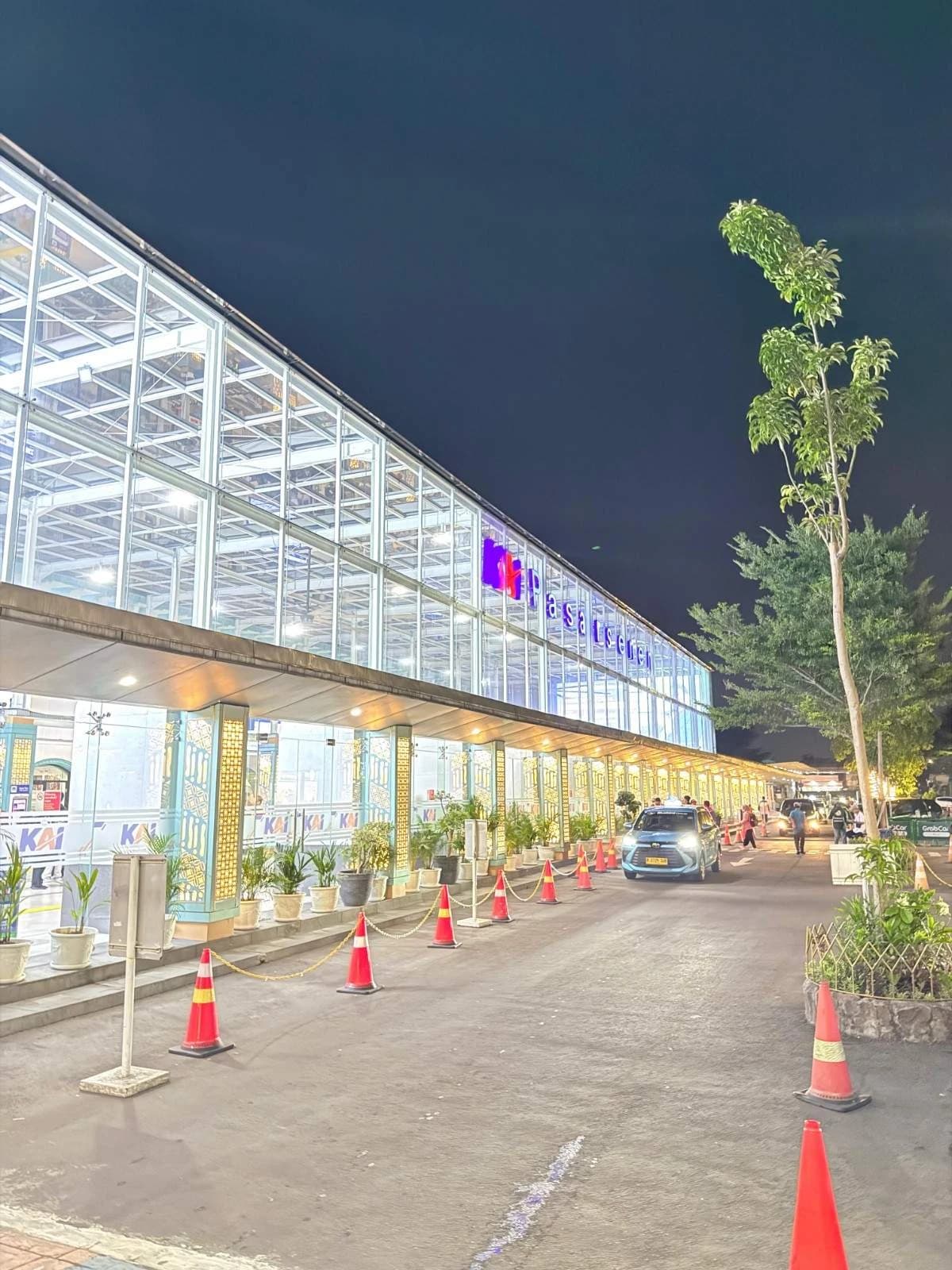
Millions Chose Train Travel Here Are KAI's 10 Busiest Stations in the First Half of 2026
Train travel continues to gain momentum across Indonesia. During the first half of 2026 (January–June), PT Kereta Api Indonesia (Persero) recorded more than 23.1 million passenger movements across the country's ten busiest long-distance railway stations.
The figures highlight how rail transportation has become more than just a travel option—it plays a vital role in connecting people, supporting tourism, and driving local economies. Every journey contributes to the growth of surrounding businesses, including hotels, restaurants, local transportation services, souvenir shops, and small enterprises.
Here are Indonesia's Top 10 Long-Distance Railway Stations by Passenger Movements in the First Half of 2026:
Pasar Senen – 3,849,606 passengers
Gambir – 3,227,508 passengers
Yogyakarta – 3,217,240 passengers
Semarang Tawang – 2,152,894 passengers
Surabaya Gubeng – 1,904,845 passengers
Purwokerto – 1,839,475 passengers
Surabaya Pasarturi – 1,823,529 passengers
Semarang Poncol – 1,740,518 passengers
Solo Balapan – 1,706,290 passengers
Bandung – 1,694,448 passengers
Anne Purba, Vice President of Corporate Communication at KAI, said the strong passenger traffic reflects the growing role of railway stations as hubs for mobility, tourism, business, and community activities.
Stations with the highest passenger movements are located in cities that serve as centers of government, business, education, culture, and tourism. Every arriving and departing passenger helps stimulate local economic activities, from hotels and restaurants to local transportation services and small businesses.
Pasar Senen Station once again ranked as Indonesia's busiest long-distance railway station, serving millions of travelers heading to destinations across Java. Its high passenger volume continues to generate positive economic impacts for businesses surrounding the station.
Meanwhile, Gambir Station remains a preferred gateway for business travelers, government officials, tourists, and families thanks to its prime location in central Jakarta, close to business districts, government offices, hotels, and major city attractions.
Yogyakarta Station secured third place, reinforcing its role as the main gateway to one of Indonesia's most popular tourism destinations. Its proximity to Malioboro, cultural landmarks, universities, hotels, and culinary hotspots continues to attract millions of visitors each year.
Other cities including Semarang, Surabaya, Purwokerto, Solo, and Bandung also recorded impressive passenger traffic, highlighting the increasing public confidence in rail travel as a safe, comfortable, and efficient mode of transportation.
To support this growing demand, KAI continues to enhance station facilities and customer services by improving passenger flow, waiting areas, travel information systems, cleanliness, security, accessibility, and integration with other transportation modes.
As passenger numbers continue to grow, we are committed to delivering an even better travel experience—from the moment customers arrive at the station until they reach their destination. Our goal is to make every station not only a transportation hub but also an integral part of an enjoyable journey.