
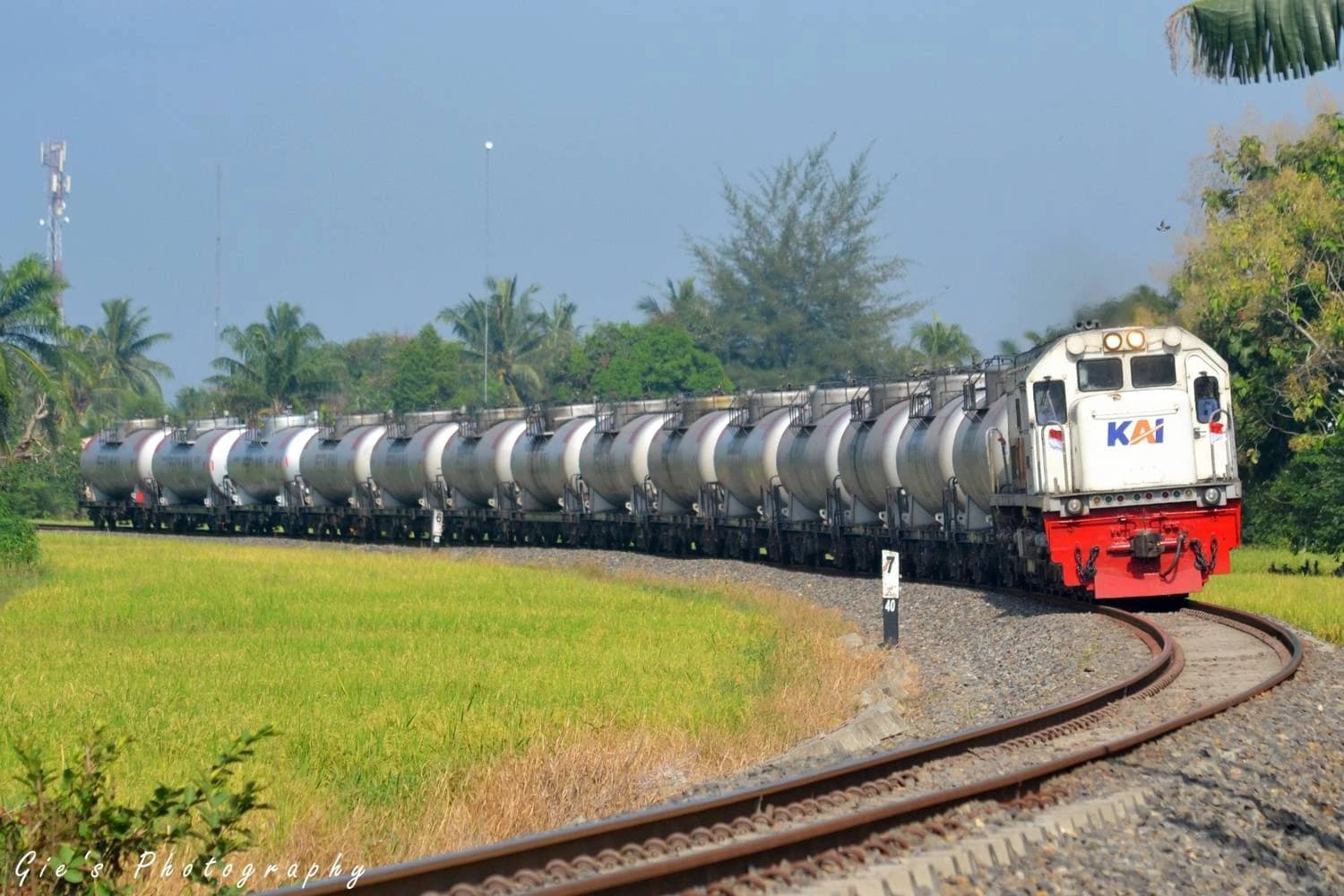
1.57 Million Tons of Fuel Transported by Rail, Strengthening the Energy Supply Chain
The distribution of fuel through rail transportation continued to grow throughout 2026. From January to July, KAI transported 1,570,911 tons of fuel, or around 1.57 million tons. This figure increased by 4.01 percent compared with the same period in 2025, when 1,510,287 tons were transported.
In terms of volume, fuel transportation increased by 60,624 tons in one year. This means that an average of around 7,410 tons of fuel was distributed through the railway network every day to help meet the energy needs of communities and businesses in various regions.
The smooth distribution of fuel plays an important role in supporting daily activities. Fuel availability is needed for people's journeys to work, the distribution of food and essential goods, agricultural activities, business operations, and the delivery of public services.
Through rail-based transportation, KAI helps maintain the flow of energy from supply centers to distribution areas according to scheduled services. The network connects supply centers and fuel terminals with various distribution destinations across Java and Sumatra.
The role of domestic distribution has become increasingly important amid changes in the global energy market. The International Energy Agency's July 2026 Oil Market Report noted that global oil supply remained below pre-conflict levels, while markets for refined products such as gasoline and diesel remained tight. This situation highlights the importance of a reliable domestic logistics network in maintaining energy availability for the public.
For fuel transportation services, KAI works with the Pertamina Group to distribute Pertalite, Pertamax, and Bio Solar using tank cars. These services connect supply centers and fuel terminals with various distribution areas across Java and Sumatra.
Using trains allows large volumes of fuel to be transported in a single trip according to a measured schedule. This distribution system helps maintain a continuous supply between regions while also reducing the logistics burden on roads, particularly for large and repeated fuel shipments.
KAI also supports the national energy policy by adjusting the distribution of Bio Solar from B40 to B50, which has been implemented since July 2026. The B50 mandatory policy increases the use of biodiesel made from domestic resources, reduces dependence on imported diesel, and creates greater economic value for the palm oil industry and farmers.
To maintain the safety and reliability of fuel transportation, KAI conducts regular inspections of its railway equipment and ensures the readiness of railway crews. Coordination is also strengthened throughout the process, from loading and transportation to unloading the fuel. Operational monitoring is carried out in accordance with safety requirements for the transportation of special goods.
The reliability of trains, tank cars, railway tracks, and operational processes is an important part of ensuring that fuel reaches its destinations safely and on time. This also strengthens the role of rail transportation in supporting energy security and the national logistics system.
Going forward, KAI will continue to strengthen cooperation with the Pertamina Group, the government, regulators, and other stakeholders. The collaboration is aimed at maintaining the smooth flow of the energy supply chain, strengthening the national logistics system, and supporting community activities and economic growth in various regions.