
KAI's Connectivity Continues to Expand, More Than 61.22% of Customer Journeys Take Place Beyond the 10 Busiest Stations
PT Kereta Api Indonesia (Persero) recorded 29,858,267 passengers traveling on its long-distance and local train services during the first half of 2026. These journeys were served through 232 railway stations across Java and Sumatra, reflecting the extensive reach of KAI’s passenger network.
Under KAI’s passenger counting methodology, each trip generates one boarding activity at the departure station and one alighting activity at the destination station. Based on this approach, a total of 59,716,534 passenger movements were recorded between January and June 2026.
Of that total, 36,560,181 passenger movements, or 61.22 percent, took place at 222 stations outside the country's 10 busiest stations. In other words, more than three out of every five passenger boarding and alighting activities occurred beyond Indonesia’s largest railway hubs.
Vice President of Corporate Communication KAI Anne Purba explained that the figures demonstrate how railway travel demand is widely distributed across regions and serves diverse travel purposes. Behind the 36.56 million passenger movements are journeys to schools, universities, hospitals, workplaces, traditional markets, government service centers, tourist destinations, and visits to family members in different regions. This broad distribution reflects the railway’s growing role in expanding access and opportunities for communities throughout Indonesia.
Meanwhile, the top 10 busiest stations accounted for 23,156,353 passenger movements, representing 38.78 percent of the total recorded during the first half of 2026. Pasar Senen Station ranked first with 3,849,606 passenger movements, followed by Gambir Station with 3,227,508, and Yogyakarta Station with 3,217,240.
The remaining stations in the top ten were Semarang Tawang (2,152,894), Surabaya Gubeng (1,904,845), Purwokerto (1,839,475), Surabaya Pasarturi (1,823,529), Semarang Poncol (1,740,518), Solo Balapan (1,706,290), and Bandung (1,694,448).
The larger share of passenger activity occurring outside these major stations highlights the importance of railway services for medium-sized cities, regency capitals, educational centers, regional commercial areas, and communities connected to surrounding urban centers.A similar trend emerged when the analysis was expanded beyond the top 50 busiest stations. The remaining 182 stations collectively recorded 13,066,904 passenger movements, accounting for 21.88 percent of total passenger activity during the first half of 2026.
Anne emphasized that while passenger volumes naturally vary from one station to another, each station plays an important role in serving local communities. Access to nearby railway stations allows people to travel more efficiently for education, healthcare, employment, commerce, and family-related activities.
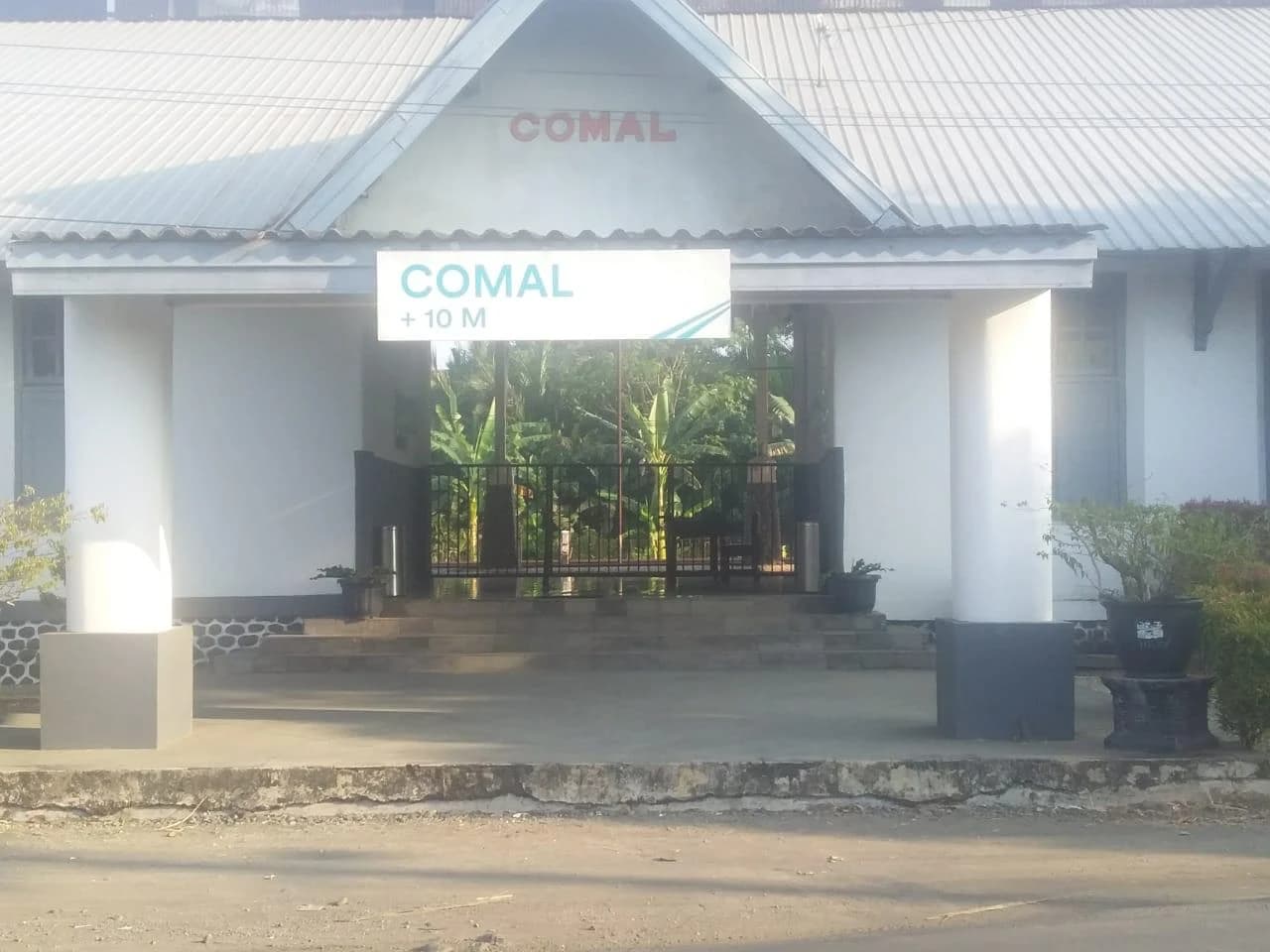
KAI’s network continued to expand with the introduction of passenger boarding and alighting services at Comal, Plabuan, and Rajapolah Stations in April 2026. During the following three months, all three stations recorded encouraging growth in passenger activity, reflecting increasing public demand for rail transportation in these areas.
Comal Station began operations with 512 passenger movements in April, increasing to 5,623 in May and 5,861 in June. Over its first three months, the station recorded 11,996 passenger movements, with June showing a 4.23 percent increase compared with May. Plabuan Station recorded 23 passenger movements in April, rising significantly to 375 in May and 416 in June. The station served 814 passenger movements during its first three months, while June traffic increased 10.93 percent compared with May.
At Rajapolah Station, passenger movements grew from 88 in April to 154 in May before reaching 286 in June. This represented an 85.71 percent month-on-month increase from May to June, bringing the station’s three-month total to 528 passenger movements.
Combined, the three newly served stations handled 623 passenger movements in April, increasing sharply to 6,152 in May and 6,563 in June. Together, they recorded 13,338 passenger movements during their first three months of operation.
According to Anne, the early growth at Comal, Plabuan, and Rajapolah demonstrates that travel demand becomes more visible once communities gain access to boarding and alighting services. Every passenger movement represents individuals who now have greater mobility to reach education, healthcare, employment, public services, and economic opportunities in other regions.
Expanding passenger services to more stations also creates broader social and economic benefits. Students gain easier access to schools and universities, while patients and their families can better plan intercity travel for medical treatment. Railway connectivity also supports workers, entrepreneurs, and business owners in reaching employment centers, commercial districts, markets, and business partners.
Passenger activity at railway stations further stimulates local economies by generating demand for connecting transportation, food and beverage services, accommodation, retail businesses, and other community-based services surrounding stations and destination cities.
Beyond passenger numbers alone, the distribution of railway activity illustrates how stations function as gateways to essential public services, improved productivity, business development, and wider economic opportunities. This aligns with global sustainable transport principles that emphasize accessibility, connectivity, safety, and inclusiveness as key drivers of better quality of life.
At the national level, improving equitable transportation access also supports Indonesia’s 2025–2029 National Medium-Term Development Plan (RPJMN), which prioritizes human capital development, stronger economic growth, poverty reduction, and more balanced regional development.
Passenger movement data from every station provides valuable insight into regional mobility patterns, while long-term trends help KAI better understand changing travel needs at both major transportation hubs and newly developing stations. Anne concluded that expanding access to rail transportation ultimately means expanding opportunities. As travel becomes easier and more accessible, communities gain greater opportunities to study, receive healthcare, work, conduct business, and improve their overall quality of life.