
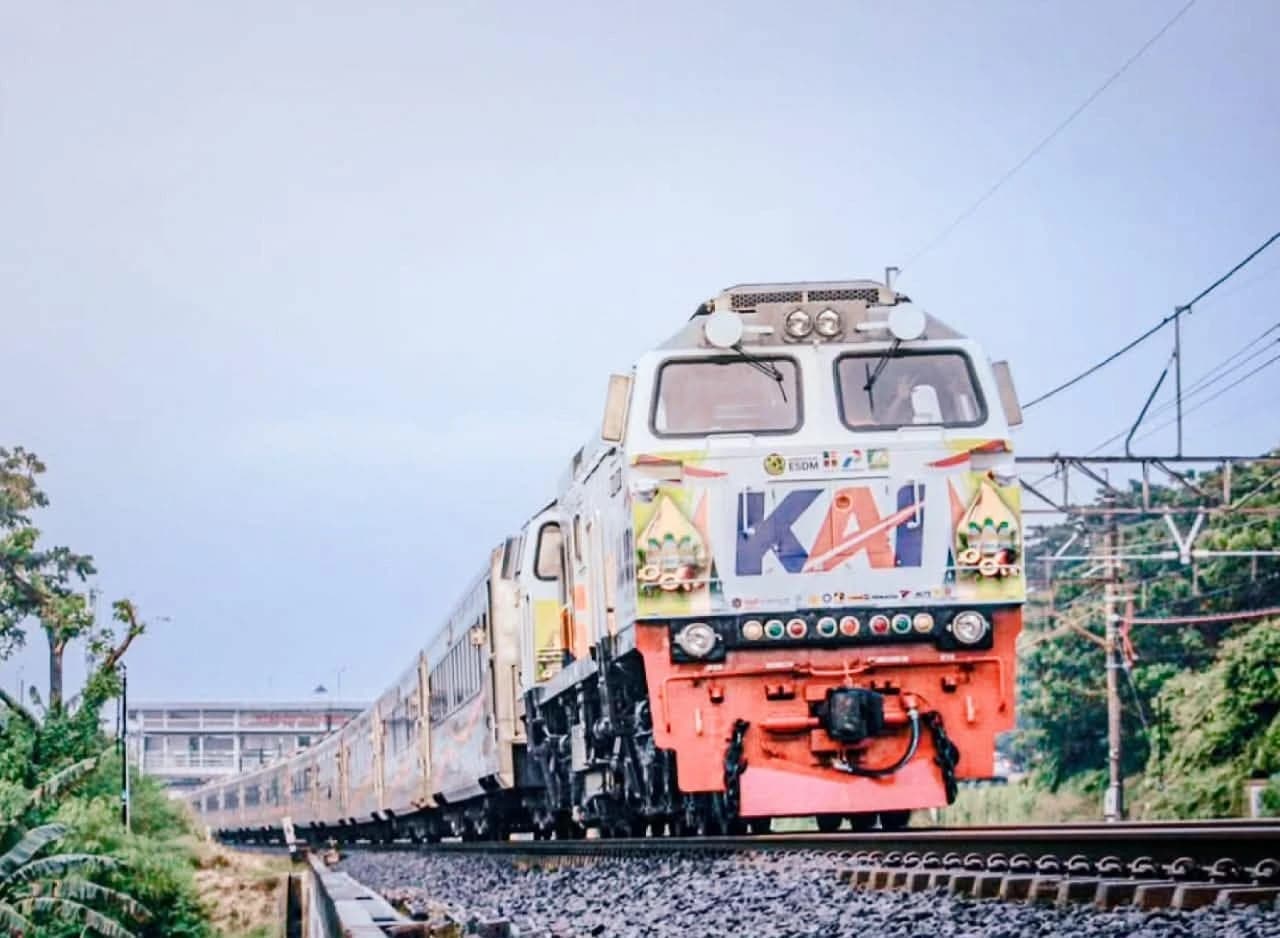
KAI Group Contributes Nearly Rp7 Trillion in Taxes to Support Indonesia's Growth
Behind millions of train journeys connecting cities across Indonesia lies an even greater impact on the nation's economy. Throughout 2025, KAI Group contributed Rp6.98 trillion to the government, marking a 66.05% increase from Rp4.20 trillion in 2024.
The contribution reflects the collective performance of PT Kereta Api Indonesia (Persero) and all its subsidiaries, covering Corporate Income Tax, Value Added Tax (VAT), Land and Building Tax, regional taxes, and Non-Tax State Revenue (PNBP).
KAI Vice President of Corporate Communication Anne Purba said the achievement reflects the strength of KAI Group's entire ecosystem, including employees, customers, business partners, and local communities connected through rail services.
Every passenger journey, freight movement, station business activity, and KAI Group service creates economic value that ultimately contributes to government revenue. Those funds help support public services and national development.
Of the total Rp6.98 trillion contribution, the parent company contributed Rp6.19 trillion, while subsidiaries generated Rp795.89 billion.
The contribution consisted of:
Corporate Income Tax: Rp3.05 trillion
Value Added Tax (VAT): Rp1.47 trillion
Non-Tax State Revenue (PNBP): Rp2.27 trillion
Land and Building Tax: Rp113.96 billion
KAI Group's subsidiaries also supported regional governments through Rp28.66 billion in restaurant taxes, Rp456.90 million in hotel taxes, and Rp47.84 billion in other local taxes.
According to Anne, these figures represent more than financial performance—they reflect the collaborative efforts of thousands of people across the KAI ecosystem.
Behind the Rp6.98 trillion contribution are our employees, loyal customers, trusted business partners, and every KAI Group entity working together to generate economic value for both the national and regional governments.
Every day, KAI employees ensure safe, reliable, and comfortable journeys by serving passengers, maintaining trains and infrastructure, managing operations, and supporting business activities across the network.
As a responsible corporate citizen, KAI also fulfills all tax obligations in accordance with applicable regulations. The 2025 report presents total income tax contributions without separately identifying employee income tax.
Our contribution to the nation begins with people—employees who start their shifts before dawn, frontline staff welcoming passengers, and technicians ensuring every journey operates safely.
She emphasized that the company's economic impact extends beyond transportation services.
Behind every number are jobs, responsibilities, and the livelihoods of countless families. KAI is committed to creating even greater value for society through excellent service and strong corporate governance.
Railway stations and train services also stimulate economic activity by connecting passengers, local businesses, suppliers, and surrounding communities, generating economic circulation that benefits both central and regional governments.
Every train journey creates opportunities—not only for passengers but also for workers, business owners, suppliers, and local communities that benefit from the surrounding economic activities.
All taxes and government contributions paid by KAI Group are transferred into Indonesia's national and regional revenue systems, where they are allocated by the government according to development priorities and public service needs.
Throughout 2025, KAI also maintained full compliance with applicable tax regulations and received no significant tax warnings or sanctions as of December 31, 2025. This achievement was supported by robust tax administration, timely reporting, accurate payments, and strengthened tax risk management.
Closing her remarks, Anne reaffirmed that sustainable business growth must go hand in hand with excellent service, sound governance, and employee welfare.
Railways do more than connect destinations—they create jobs, open business opportunities, support family livelihoods, and generate meaningful contributions to the nation. KAI will continue strengthening its performance and governance so that its positive impact can reach even more people across Indonesia.