
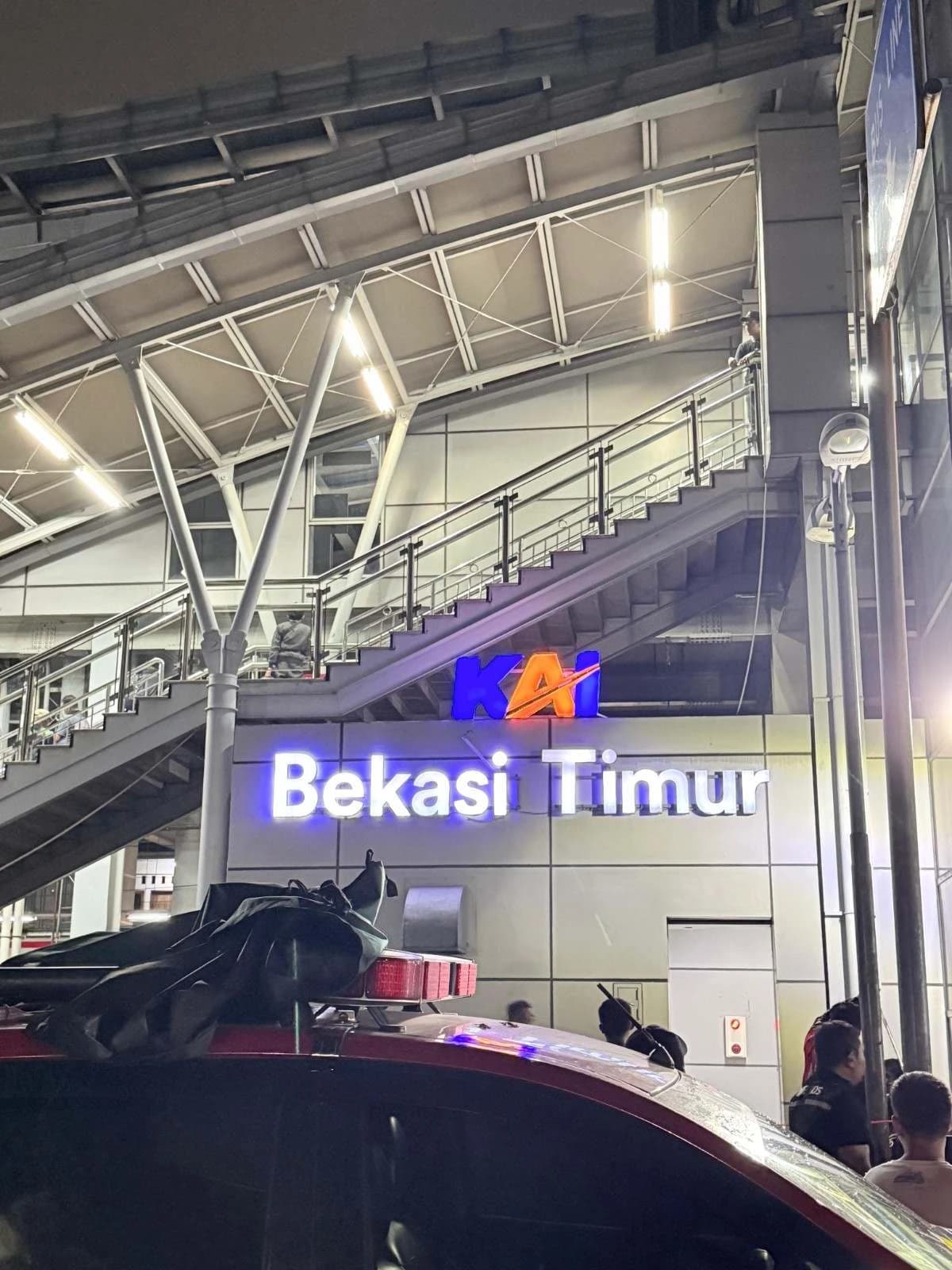
KAI Follows Up on KNKT Recommendations, Strengthens Operational Safety
PT Kereta Api Indonesia (Persero) continues to support and cooperate with the safety investigation conducted by the National Transportation Safety Committee (KNKT) regarding the incident involving the Argo Bromo Anggrek Train and KA 5568A Commuter Line in East Bekasi.
For KAI, a safety investigation is not simply about determining what happened. Its findings are an important part of evaluating operations, identifying necessary improvements, and preventing similar incidents from happening again.
Vice President of Corporate Communication KAI Anne Purba explained that KAI respects the independent and comprehensive investigation conducted by KNKT. KAI is also ready to follow up on the recommendations issued in accordance with the company’s authority and responsibilities.
Throughout the investigation, KAI has taken several safety precautionary measures, including accelerating the handling of level crossings through coordination with relevant parties, implementing operational restrictions (BLB) in the Bekasi area, and maintaining coordination with the Directorate General of Railways (DJKA) of the Ministry of Transportation regarding railway infrastructure.
Following KNKT’s safety recommendations based on its investigation and analysis, KAI will conduct evaluations and improvements in areas under the company’s authority. For KAI, the recommendations are not simply documents but need to be translated into improvements that can be implemented in the field.
These improvements cover procedures, human resource readiness, coordination among relevant parties, as well as public education to raise awareness of safety at level crossings. KAI will also continue coordinating with regulators and relevant stakeholders to ensure that the recommendations are properly followed up.
On the operational side, KAI continues to strengthen supervision of safety procedures, ensure staff readiness, and regularly evaluate operational systems and processes. Every finding serves as input for improving work practices and strengthening the safety system on an ongoing basis.
For KAI, safety is also closely connected to public trust in railway services. Therefore, every evaluation is directed toward improvements that can further strengthen the safety and reliability of train journeys.
Moving forward, KAI will continue implementing safety recommendations within the company’s authority, coordinating with regulators and all relevant stakeholders, and ensuring that safety remains a key part of every development and improvement in railway operations.