
Turning Waste into Positive Impact, KAI Managed 14.56 Thousand Tons of Operational Waste in 2025
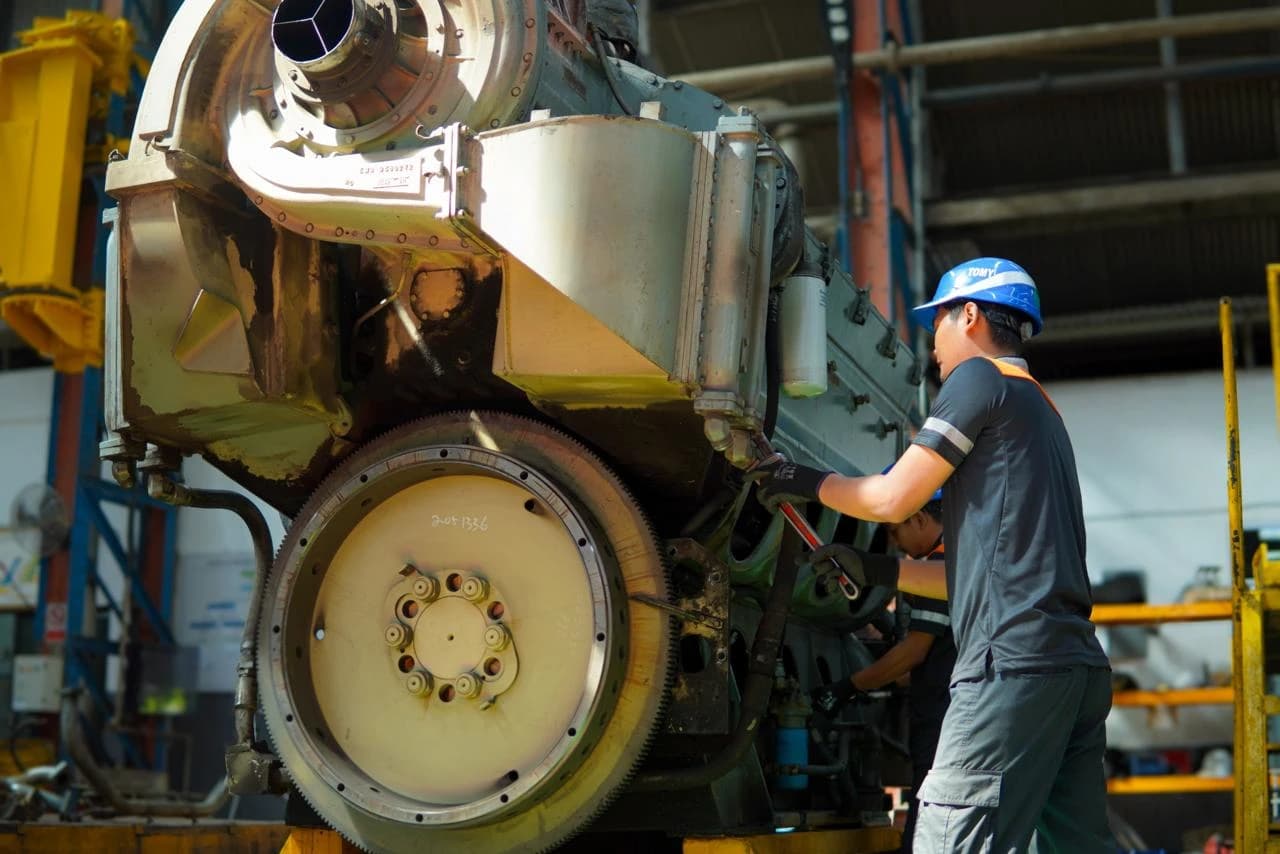
Behind every comfortable and safe train journey is a wide range of activities happening behind the scenes, from rolling stock maintenance and station management to depots, workshops, and customer services. Throughout 2025, KAI managed 14,562.40 tons of operational waste, covering both hazardous and non-hazardous waste.
Environmental responsibility has become part of KAI’s everyday operations. Beyond managing the waste generated from its activities, KAI continues to introduce facilities and innovations that make journeys more convenient while encouraging more environmentally friendly travel habits.
Of the total waste managed, 2,683.81 tons were hazardous waste, while another 11,564.41 tons consisted of non-hazardous waste and general waste. The management of non-hazardous waste also involves third-party partners in accordance with applicable regulations.
Customers can also play a role in reducing waste even before their journey begins. By the end of 2025, KAI had provided 124 Water Stations across 70 stations. These facilities allow customers to refill their drinking water by bringing their own tumblers or bottles, helping reduce the use of single-use packaging.
The greener journey continues onboard. KAI uses wooden cutlery and waste bags made from recycled plastic, while continuing to limit the use of single-use plastics across its operations.
KAI also encourages employees, suppliers, tenants, and customers to embrace Green Travel habits. From bringing reusable items and cutting down on single-use plastics to disposing of waste properly, these simple actions can become part of everyday travel.
Digitalization is also helping KAI use materials more efficiently. Features such as e-boarding through Access by KAI and Face Recognition Boarding Gates reduce the need for printed paper boarding passes while making the boarding process more seamless and convenient.
Going forward, KAI will continue strengthening waste management, expanding the use of more environmentally friendly materials, and developing digital services and facilities that support greener travel. With these efforts, train journeys can be not only more comfortable and convenient, but also more responsible toward the environment.