
New Fleet, Better Service! KAI Group's Investment Tops Rp14.6 Trillion
Indonesia's railway sector continues to move forward with major investments in modern rolling stock. Valued at approximately Rp14.68 trillion to Rp14.88 trillion, this investment marks a significant step toward delivering safer, more comfortable, and more reliable rail services for the public.
Through its collaboration with PT Industri Kereta Api (Persero) (INKA), PT Kereta Api Indonesia (Persero) Group continues to strengthen the procurement and modernization of the nation's railway fleet. The partnership covers Stainless Steel New Generation trains for intercity services, new and retrofitted Commuter Line trains, LRT Jabodebek rolling stock, luxury train cars, and flat wagons to support freight transportation in South Sumatra.
Beyond introducing new rolling stock, the collaboration also helps strengthen Indonesia's railway industry by enhancing manufacturing capacity, product quality, workforce capabilities, and after-sales support.
As part of its 2023–2027 rolling stock replacement program, KAI has ordered 612 Stainless Steel New Generation passenger cars from INKA, forming 56 trainsets, with a contract value of approximately Rp5.5 trillion.
To date, 40 trainsets have been delivered to KAI. Of these, 39 trainsets are already in commercial operation, while one additional trainset is undergoing final operational preparations.
The introduction of the Stainless Steel New Generation fleet supports the renewal of intercity rolling stock, offering passengers a more modern, comfortable, and reliable travel experience while maintaining high service standards.
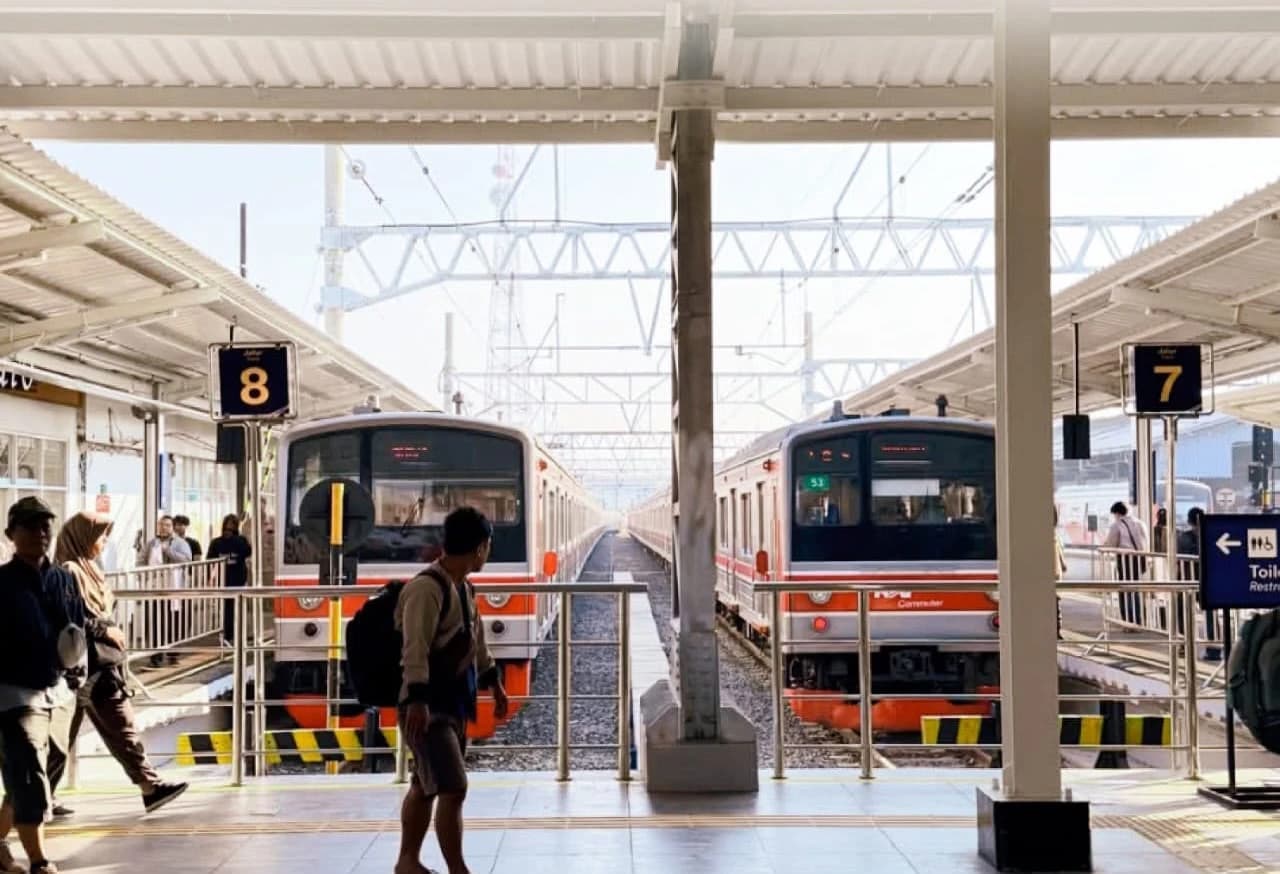
The partnership also strengthens commuter rail services through the procurement of new Commuter Line trainsets and a retrofit program, with a combined investment of approximately Rp4.07 trillion. This includes 16 new trainsets comprising 192 cars, valued at nearly Rp3.83 trillion, along with the retrofit of two trainsets worth more than Rp238.63 billion.
Currently, seven trainsets, or 84 cars, manufactured by INKA are already serving passengers, while the remaining nine trainsets continue to undergo production, testing, certification, and operational preparation before entering service.
Each trainset undergoes a comprehensive testing process to ensure it meets safety, reliability, and operational standards for the Greater Jakarta Commuter Line network.
INKA has also contributed to urban rail development through the production of 31 LRT Jabodebek trainsets, totaling 186 cars, with a contract value ranging from Rp3.9 trillion to Rp4.1 trillion.
These trainsets operate using Grade of Automation 3 (GoA3) technology and continue to support the growing demand for urban mobility. During the first half of 2026, LRT Jabodebek served 16,018,911 passengers, representing a 22.84% increase compared to the same period in 2025.
The continued growth highlights increasing public demand for rail-based urban transportation while showcasing the capabilities of Indonesia's railway manufacturing industry in producing advanced rolling stock.
For premium services, KAI has also introduced 10 luxury railcars, each offering 26 seats, along with one additional spare unit to ensure service continuity during scheduled maintenance.
The procurement of these luxury railcars represents an investment of Rp161.16 billion, providing passengers with more premium travel options and an elevated onboard experience.
The collaboration also extends to freight transportation through the procurement of 1,125 BM 54-ton flat wagons, valued at approximately Rp1.05 trillion. These wagons are expected to increase freight capacity in South Sumatra, particularly for coal transportation, which supports Indonesia's national energy supply.
Overall, the combined investment in Stainless Steel New Generation trains, new and retrofitted Commuter Line trainsets, LRT Jabodebek rolling stock, luxury railcars, and flat wagons totals approximately Rp14.68 trillion to Rp14.88 trillion.
This significant investment reflects KAI Group's continued commitment to advancing Indonesia's railway industry. Beyond delivering better services for passengers, the collaboration also strengthens the national railway ecosystem through greater manufacturing capacity, higher product quality, a stronger supply chain, and sustainable innovation.