
Railway Track Normalization for Safer Train Operations
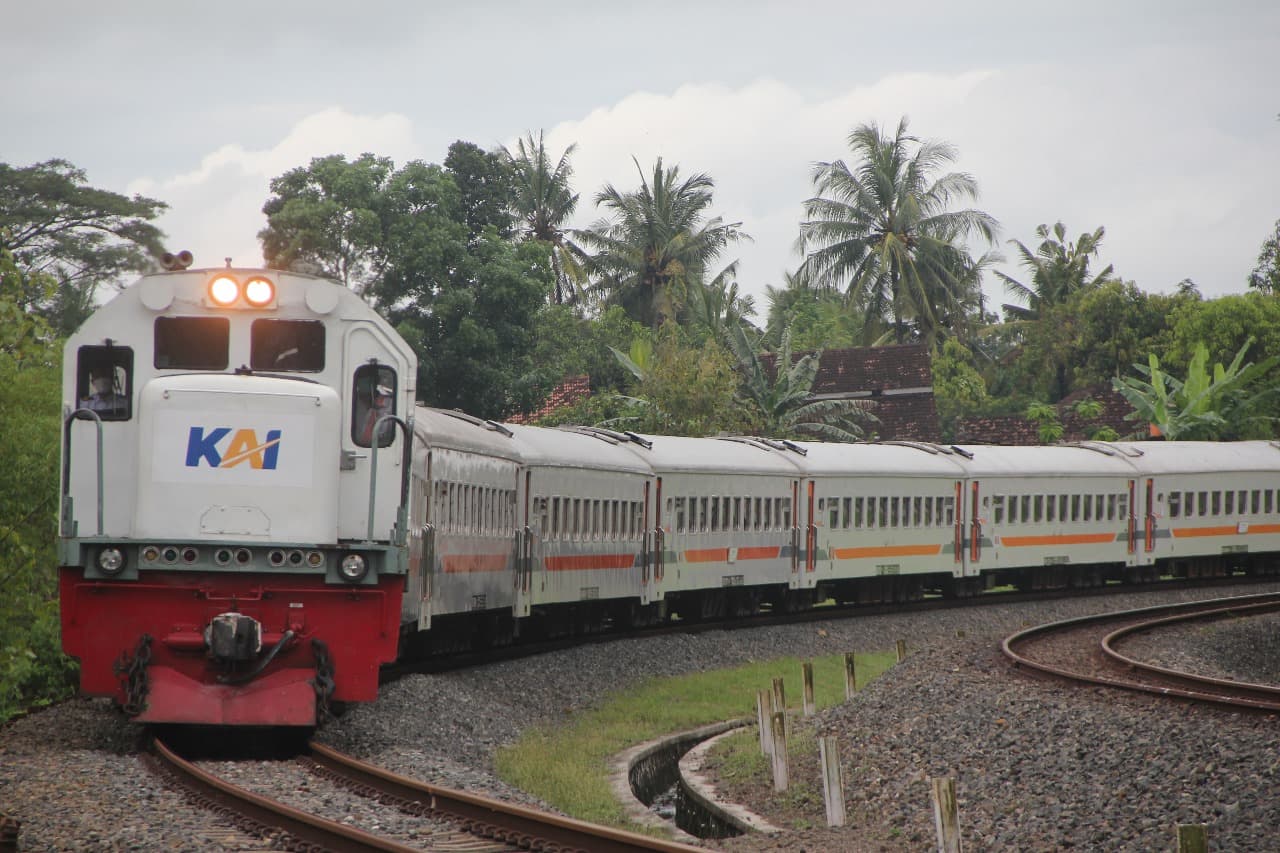
Safety in railway operations is an aspect that cannot be overlooked. Therefore, maintaining the cleanliness and condition of railway tracks is a crucial step in ensuring safe and comfortable journeys for both passengers and train crews. KAI implements various preventive measures to minimize disruptions to train operations caused by floods, landslides, and fallen trees.

Track Sterilization to Ensure Safe Train Operations Across KAI's Network
"KAI is committed to remaining vigilant and continuously carrying out track sterilization to ensure that train operations across all KAI operational areas remain safe and reliable," said KAI Vice President of Public Relations, Joni Martinus.
As part of its preventive efforts, KAI deploys dedicated personnel at vulnerable locations, positions Emergency Material Equipment (AMUS) at stations near high-risk areas, and regularly clears railway tracks and surrounding areas of waste and unsuitable objects that could interfere with train operations.
In preparation for the rainy season, KAI has further strengthened vigilance across its operational network. One of the key priorities is the normalization of water drainage channels surrounding railway tracks.
"Drainage channel normalization not only helps maintain smooth train operations but also protects railway infrastructure and the surrounding environment," Joni explained.
Drainage channel normalization refers to a series of activities designed to ensure that water flows properly without causing damage to nearby infrastructure or the surrounding environment. These activities are not only carried out before or during the rainy season but are performed regularly throughout the year so that the railway network remains prepared when heavy rainfall occurs.
The benefits of drainage channel normalization around railway tracks include:
Flood prevention
Proper drainage management helps prevent flooding that could inundate railway tracks. Controlled water flow reduces the risk of service disruptions and infrastructure damage.
Reducing soil erosion
Uncontrolled rainwater can cause soil erosion around railway lines. Drainage normalization includes installing retaining structures and protective materials that help minimize erosion.
Infrastructure protection
Well-maintained drainage systems protect railway infrastructure from water damage. Standing water can damage tracks, bridges, and other railway facilities.
Drainage channel normalization is an essential measure in mitigating the impact of the rainy season. These efforts help safeguard not only railway operations but also the surrounding environment.
"In addition to drainage normalization, we routinely inspect railway tracks directly, both on foot and using inspection trolleys (dresins). Regional and operational division heads also conduct field inspections to ensure that any issues discovered can be addressed immediately," Joni added.
Joni further explained that the transportation business is fundamentally centered on safety and service. Therefore, KAI's proactive efforts to mitigate disruptions caused by increasingly unpredictable seasonal conditions are expected to strengthen public confidence in rail transportation as a reliable option for everyday connectivity.