
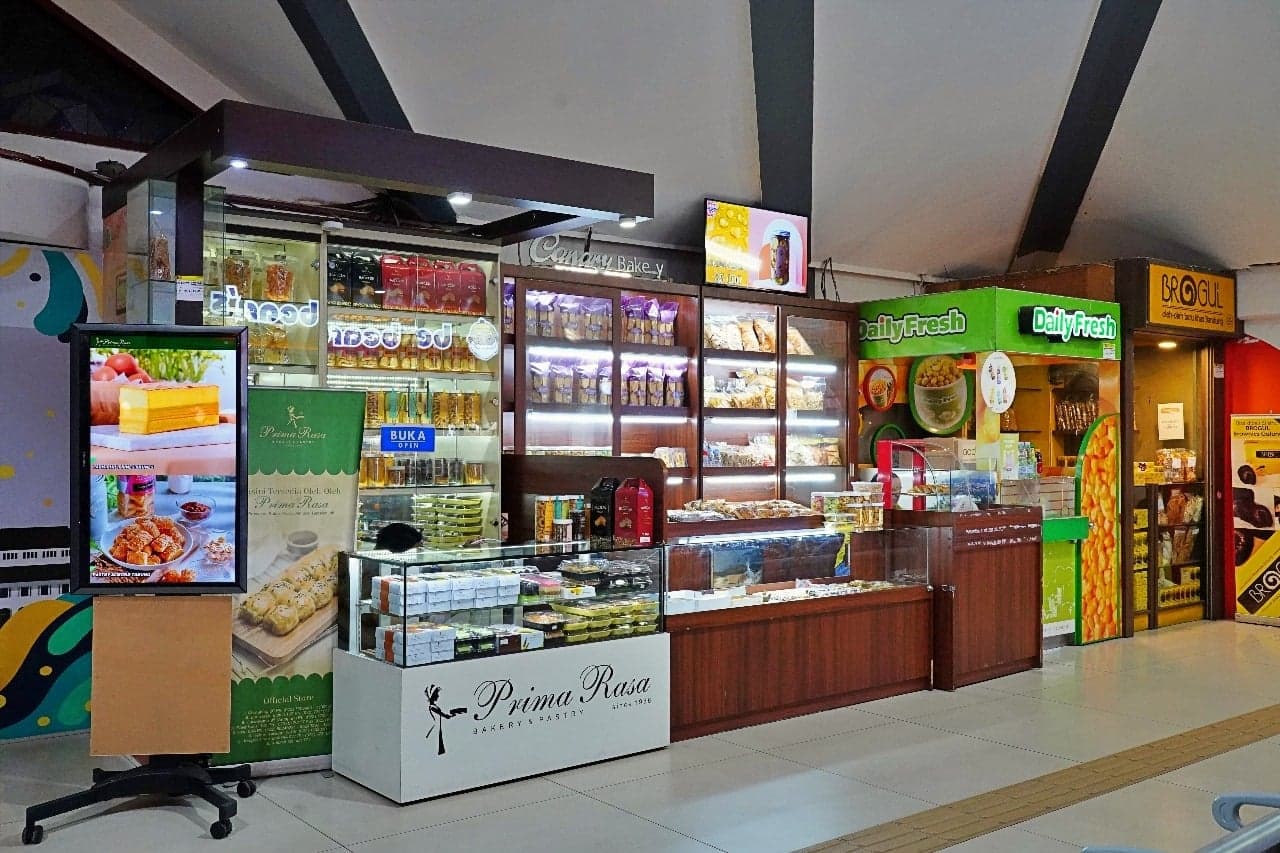
KAI Optimizes Asset Utilization to Increase Revenue
KAI has its main sources of income in the form of transportation services, both passenger transport and freight transport. In addition to revenue from transportation services, the company also earns income from asset leasing managed by the Non-Transportation Commercial Unit, which is one of the units under the Commercial Directorate. This unit was established to increase the company’s revenue value by optimizing the utilization of all company assets as non-transportation income.
“KAI innovates in seeking new sources of revenue during and after the pandemic. This includes efforts to optimize company assets, which serve as the third pillar of revenue after passenger and freight transportation,” said Vice President Public Relations KAI Joni Martinus.
If managed efficiently, KAI’s assets will increase the company’s value. The contribution of non-transportation revenue to the company over the past three years is 6.47% or IDR 2.3 trillion. The role of KAI assets is very important in supporting the smooth operation of the company. KAI manages various types of assets carefully to ensure business continuity. For example, KAI utilizes unused land by leasing it to the public. When potential partners wish to utilize KAI-owned land, they are required to go through a lease contract process according to the agreed period.
For those interested in leasing KAI assets, there are several things to note. Prospective partners, whether individuals or legal entities, can submit an application letter or expression of interest independently to the Non-Transportation Commercial Unit of KAI via email at [email protected] or by visiting the Non-Transportation Commercial Unit at either the head office or regional operational/division offices (Daop/Divre).
“In the lease application letter or letter of interest, prospective partners are expected to provide information such as the location address or type of asset needed, intended use plan, and desired lease period or cooperation duration,” Joni explained.
Next, the prospective partner and KAI conduct a joint site survey of the asset to review the condition before proceeding to the next stage. After that, the prospective partner may begin negotiations regarding lease duration, price, and payment procedures. Once an agreement is reached, the prospective partner can sign the agreement provided by KAI.
KAI offers highly competitive rental rates compared to prevailing market prices. These rates are regulated in company regulations, and several factors affecting asset lease pricing include land area, building area, land and building tax value (NJOP), surrounding conditions (strategic level), intended use, and lease duration.

The types of assets available for lease also vary according to tenant needs. These include:
Stations: Assets in the form of space, rooms, buildings, warehouses, land, and parking management within station areas.
Right of Way (ROW): Assets located along active railway lines.
Non-ROW: Assets outside station and ROW areas, including company houses, buildings, and land on inactive railway lines.
Tourism/Museum: Assets such as museums, historic buildings (heritage), including tourist train services.
Facilities and infrastructure: Assets such as dining cars, tourist trains, and facilities including rail maintenance machinery & supporting infrastructure, as well as workshop/depot services.
Advertising: Assets in the form of space at stations, ROW, non-station areas, rolling stock, including onboard entertainment management, WiFi (advertising slots), filming/photo shoots, events/activations, and naming rights (stations).
Currently, KAI owns a total land asset of 327,825,712 m² ready to be commercialized or leased to the public across various regions in Java, Sumatra, and Madura. In addition, there are 16,469 company housing units and 3,888 official buildings that are also ready to be leased. For those who wish to view the list of available assets, they can contact representatives of the Non-Transportation Commercial Unit at the head office or regional Daop/Divre offices.
“KAI is committed to establishing mutually beneficial cooperation for all parties, including KAI and tenants. The company is open to providing necessary support to partners, as long as it does not conflict with agreed terms and applicable regulations. Regarding maintenance during the contract period, the responsibility lies with the tenant,” Joni explained.
In the future, KAI will continue to innovate to support its business. Station areas play an important role in the history and future of railways, as stations are key elements in railway services. In the future, stations will become intermodal integration hubs and integrated service centers for the public. This provides opportunities for the company to further develop the Transit Oriented Development concept as one of its future business focuses.
The development of non-farebox asset management at stations has great potential to increase company revenue, such as retail area arrangement, branding, joint promotions, naming rights, transit lounge facilities, pickup services, and exhibition areas.
“With continuous innovation and optimization of asset management, KAI can further increase its revenue and the services offered to the public,” Joni concluded.