
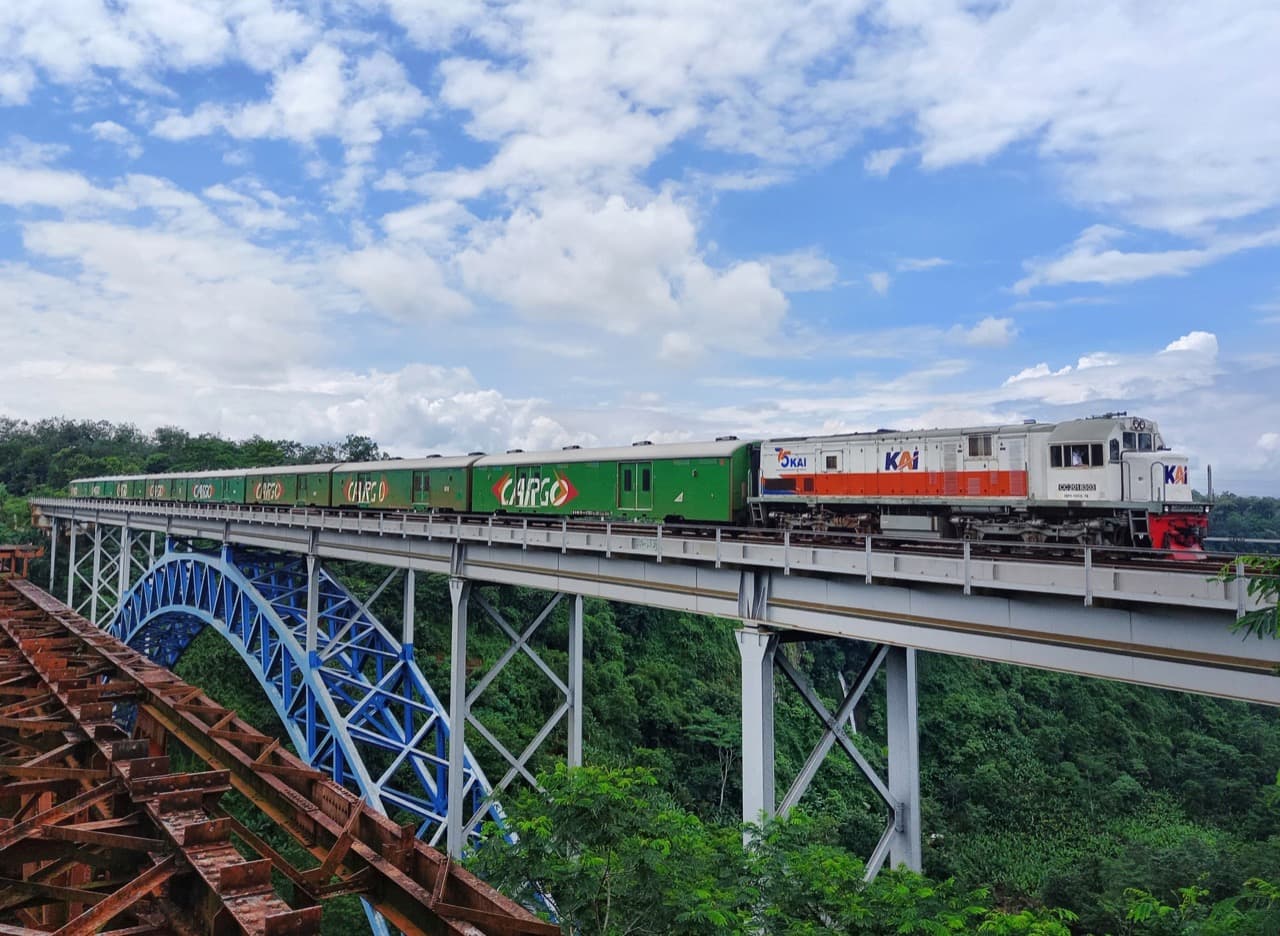
KAI's Freight Transportation Volume Increased by 14.4% in the First Quarter of 2022
PT Kereta Api Indonesia (Persero) recorded positive performance in its freight transportation business at the beginning of 2022. During the first quarter of 2022, KAI transported 12.7 million tonnes of freight, an increase of 14.4% compared to 11.1 million tonnes in the first quarter of 2021.
Freight transportation volume also increased in March 2022, with KAI transporting 4.8 million tonnes of goods, up 20.2% compared to 4.0 million tonnes in February 2022. Freight traffic in March 2022 was dominated by coal at 3.8 million tonnes, followed by containers at 408 thousand tonnes and cement at 309 thousand tonnes.
The largest increases in freight volume in March compared to February were recorded in coal, which increased by 642 thousand tonnes or 20.6%, containers, which increased by 66 thousand tonnes or 19.5%, and fuel (BBM), which increased by 43 thousand tonnes or 24.3%.
"The improvement in freight transportation performance was driven by several factors, including an increase in freight train service frequency, weather conditions, and other supporting factors," said KAI Vice President of Public Relations Joni Martinus.
This stronger freight transportation performance represents an important achievement for KAI in maintaining the company's sustainability amid the COVID-19 pandemic. KAI will continue to optimise its freight business by strengthening collaboration, improving operational patterns, and exploring new freight opportunities and business partners.
Freight transportation remains one of KAI's core business pillars in 2022, even as the passenger transportation sector continues to recover. KAI is also optimistic about improving performance in its asset optimisation business to further support the company's overall growth.
"Railways have the advantage of transporting large volumes of goods in a single trip, helping reduce road congestion while avoiding traffic delays. In addition, rail freight services offer the benefits of being free from illegal levies, providing scheduled and punctual deliveries, and being more environmentally friendly," Joni concluded. (Public Relations KAI)