
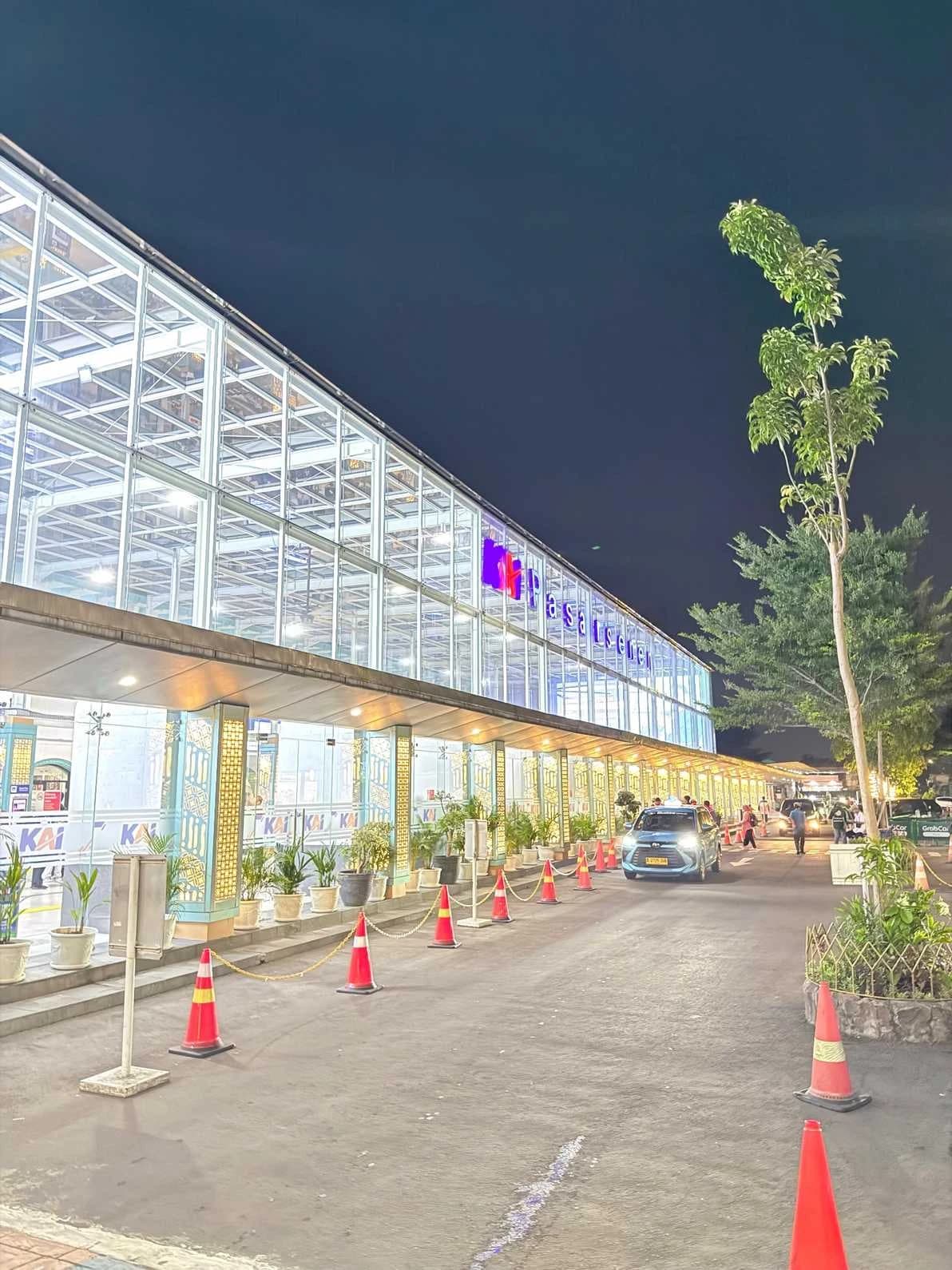
Top 10 Long-Distance Train Stations Record 23.16 Million Boarding and Alighting Passengers in the First Semester of 2026
PT Kereta Api Indonesia (Persero) recorded that the 10 stations with the highest long-distance train passenger movements during the first semester of 2026 posted a total of 23,156,353 boarding and alighting passengers. The data was calculated from passengers boarding and alighting at stations during the January–June 2026 period.
The high volume of passenger movement at major stations reflects the role of railways in connecting people to various destinations, ranging from family travel, work, education, business, to tourism. These activities also provide benefits to areas surrounding the stations, particularly through passenger movement toward hotels, culinary destinations, souvenir centers, connecting transportation, tourist destinations, and local businesses around station areas.
The following are the Top 10 stations with the highest long-distance train passenger movements in the first semester of 2026:
1. Pasar Senen Station: 3,849,606 boarding and alighting passengers
2. Gambir Station: 3,227,508 boarding and alighting passengers
3. Yogyakarta Station: 3,217,240 boarding and alighting passengers
4. Semarang Tawang Station: 2,152,894 boarding and alighting passengers
5. Surabaya Gubeng Station: 1,904,845 boarding and alighting passengers
6. Purwokerto Station: 1,839,475 boarding and alighting passengers
7. Surabaya Pasarturi Station: 1,823,529 boarding and alighting passengers
8. Semarang Poncol Station: 1,740,518 boarding and alighting passengers
9. Solo Balapan Station: 1,706,290 boarding and alighting passengers
10. Bandung Station: 1,694,448 boarding and alighting passengers
Vice President of Corporate Communication KAI, Anne Purba, stated that passenger movement data at stations reflects the importance of railways in supporting public mobility while also driving economic activities in destination cities.
“Stations with the highest movements are generally located in cities that serve as centers of government, economy, education, culture, and tourism. Every passenger arriving and departing from a station contributes to a wide range of surrounding activities, from connecting transportation, culinary services, accommodation, souvenir centers, to local businesses,” said Anne.
The first rank is held by Pasar Senen Station with 3,849,606 boarding and alighting passengers. Located in Central Jakarta, this station is the long-distance train station with the highest movement in Indonesia in the first semester of 2026. Pasar Senen serves many routes to various cities across Java Island. The high passenger movement at this station also stimulates activities in the surrounding area, such as connecting transportation, culinary services, accommodation, and travel needs.
In second place is Gambir Station with 3,227,508 boarding and alighting passengers. Also located in Central Jakarta, this station holds a strategic position due to its proximity to government centers, business districts, hotels, offices, the National Monument (Monas), and various city tourism destinations. Gambir serves as one of the main gateways for long-distance train travel from the capital, especially for business, official, tourism, and family travel.
The third rank is occupied by Yogyakarta Station with 3,217,240 boarding and alighting passengers. Located in Yogyakarta City, this station serves as a key hub for a city known for education, culture, and tourism. Passenger movement at Yogyakarta Station is closely linked to tourism activities, universities, hotels, culinary spots, souvenir centers, the Malioboro area, as well as local businesses growing around destinations and connecting transport access.
Next, Semarang Tawang Station ranks fourth with 2,152,894 boarding and alighting passengers. Located in Semarang City, this station is an important point on the northern Java line. Its location is close to the Old Town area, culinary centers, hotels, and the city’s economic districts. With high passenger movement, Semarang Tawang supports tourism visits and economic activities in the capital of Central Java.
The fifth rank is held by Surabaya Gubeng Station with 1,904,845 boarding and alighting passengers. Located in Surabaya City, this station is one of the main hubs for long-distance train travel in East Java. Surabaya, as a center of economy, education, healthcare, trade, and urban tourism, makes Gubeng play a major role in connecting passengers with various activities, including hotels, culinary spots, shopping centers, and connecting transport.
In sixth place, Purwokerto Station recorded 1,839,475 boarding and alighting passengers. Located in Banyumas Regency, Central Java, this station is an important point on the southern Java line. Purwokerto serves the mobility of residents in the Banyumas region and surrounding areas. Passenger movement at this station supports local culinary activities, accommodation, transportation to tourist areas, and local businesses around the station.
The seventh rank is occupied by Surabaya Pasarturi Station with 1,823,529 boarding and alighting passengers. Located in Surabaya City, this station reinforces Surabaya’s role as a city with two major stations in the national top 10 list. Surabaya Pasarturi serves many routes along the northern Java line, including to Semarang, Cirebon, Jakarta, and other cities. Passenger movement from this station also supports regional economic activities, from connecting transportation, culinary services, hotels, to trade.
Next, Semarang Poncol Station ranks eighth with 1,740,518 boarding and alighting passengers. Located in Semarang City, this station complements the role of Semarang Tawang in serving long-distance train travel. The inclusion of two Semarang stations in the top 10 list reflects the strong mobility demand to and from the capital of Central Java, including tourism, family, work, and business activities.
The ninth rank is held by Solo Balapan Station with 1,706,290 boarding and alighting passengers. Located in Surakarta City, this station serves travel from a city known for culture, education, trade, and tourism. Solo Balapan is an important hub for tourists and residents traveling to cultural areas, culinary destinations, batik centers, hotels, and various creative economy activities in Solo and its surroundings.
The tenth rank is occupied by Bandung Station with 1,694,448 boarding and alighting passengers. Located in Bandung City, this station serves as the main gateway for long-distance train travel to and from the capital of West Java. Bandung has strong appeal as a city of education, tourism, culinary, creative economy, and weekend destinations. Passenger movement at Bandung Station also impacts local businesses around the station, including local transport, accommodation, culinary services, and shopping centers.
Anne added that the high passenger movement at these 10 stations provides important input for KAI in improving station services in the future. According to her, the greater the passenger movement, the greater the need to provide more comfortable, clear, orderly, and accessible travel flows.
“This data serves as an evaluation basis for KAI to continuously improve station arrangements, both in terms of passenger flow, waiting areas, travel information, cleanliness, safety, integration access, and staff readiness. The goal is for passengers to feel increasingly comfortable from arrival at the station, during waiting time, until continuing their journey in the destination city,” said Anne.
Anne stated that stations with high movement also have a broad impact on surrounding communities. When passengers board and alight at stations, these activities drive connecting transportation, culinary services, accommodation, souvenir centers, MSMEs, and tourism destinations in the city.
“KAI views stations as mobility spaces directly connected to urban life. Therefore, station improvements must continue to be carried out to enhance customer service while also providing benefits for tourism, local economies, and surrounding communities,” Anne concluded.
VP Corporate Communication KAI