
Sumatra’s Mobility Continues to Grow, KAI Enhances Interregional Train Connectivity
The development of regions and community activities continues to shape new mobility needs in various parts of Indonesia. On the island of Sumatra, the growth of economic activities, education, trade, tourism, as well as daily community travel is driving the need for increasingly connected interregional connectivity.
PT Kereta Api Indonesia (Persero) continues to monitor these developments by strengthening train services in various regions. Connectivity development is carried out by considering community travel patterns, regional characteristics, as well as evolving mobility needs.
One indication of the growing need for train-based travel on the island of Sumatra can be seen in the Rajabasa Train on the Kertapati–Tanjungkarang round-trip route. From January to July 2026, the Rajabasa Train served 534,748 customers, an increase of 32.09% compared to the same period in 2025, when it served 404,848 customers.
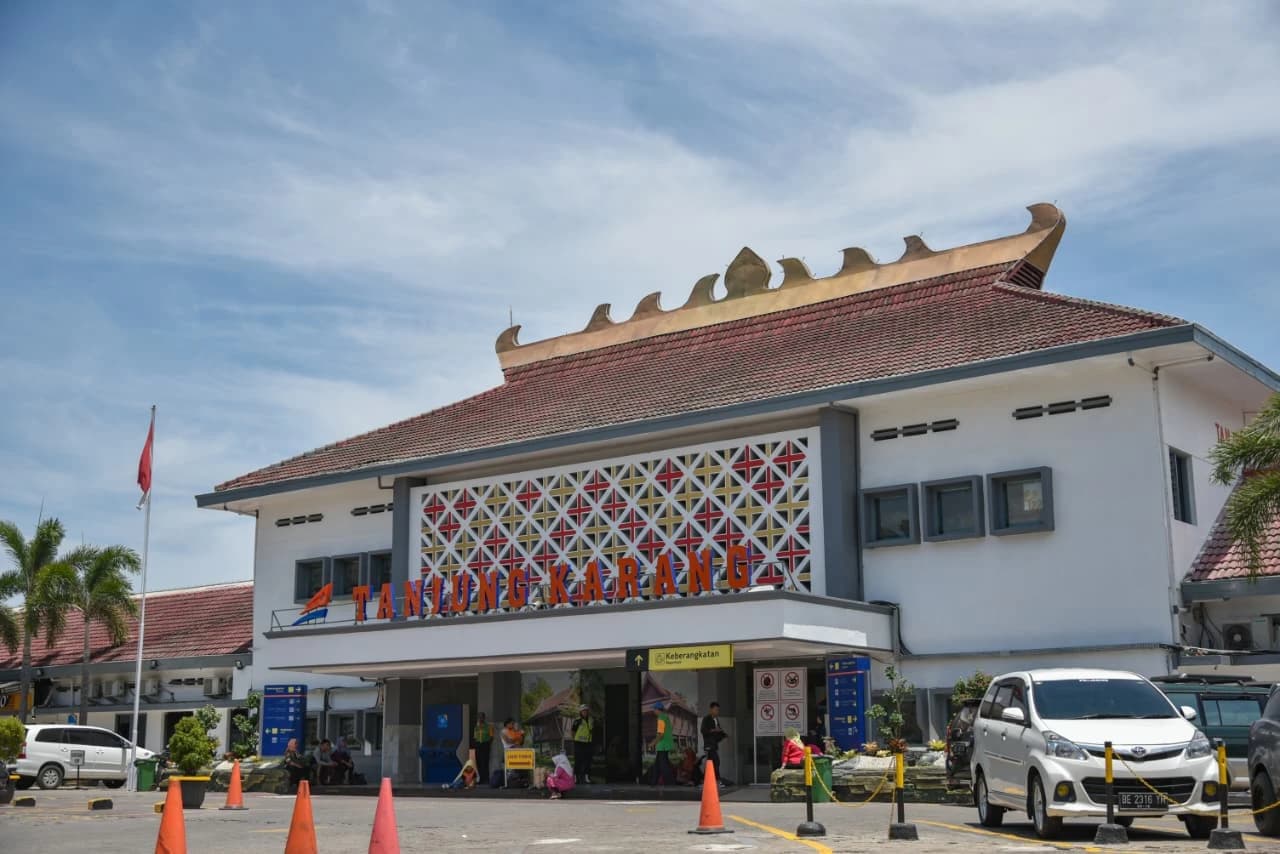
The Rajabasa Train connects communities traveling between Kertapati Station in Palembang, South Sumatra, and Tanjungkarang Station in Bandar Lampung, Lampung. This service is one of the travel options connecting communities between two regions with diverse activities, ranging from economic activities, education, and trade to tourism.
The increase in travel demand has become the basis for KAI to adjust service capacity. Starting in July 2026, the Rajabasa Train began using a larger train formation, increasing its capacity from 530 seats to 848 seats. This adjustment was made to support customer needs along the South Sumatra–Lampung route.
Statistics Indonesia (BPS) recorded that Indonesia’s economy grew by 5.61% year on year in the first quarter of 2026. The development of economic activity is accompanied by an increasingly strong need for interregional connectivity. Through the publication Gross Regional Domestic Product of Provinces in Indonesia by Industry 2021–2025, released on April 13, 2026, BPS also highlighted the role of various regional economic sectors, such as manufacturing, agriculture, trade, transportation, and warehousing in the regional economic structure.
With diverse economic and social activities across the region, Sumatra requires transportation connectivity that can support community mobility between regions. Strengthening train services is part of the effort to provide increasingly connected travel access.
KAI Vice President of Corporate Communication Anne Purba said that the development of the Rajabasa Train shows that the need for train-based mobility continues to grow in various regions of Indonesia.
“The growth of the Rajabasa Train shows that the community’s travel needs in Sumatra continue to develop. KAI continues to understand the characteristics of each region so that the services provided are increasingly aligned with customer needs,” said Anne.
According to Anne, the development of train connectivity is carried out by considering regional development and community travel patterns.
“Trains play a role in connecting various community activities. Therefore, service development is carried out by understanding the needs of each region and the characteristics of customer travel,” said Anne.
The development of mobility in Sumatra is one indication that the community’s connectivity needs continue to evolve in line with regional growth. KAI views the strengthening of train services as part of the development of the national mobility ecosystem through an increasingly connected travel network that remains relevant to community needs.
VP Corporate Communication KAI