
Connectivity to the Seribu Islands Strengthened, Commuter Line Connects Journeys from Mainland Jakarta
The DKI Jakarta Provincial Government's plan to strengthen transportation services to the Seribu Islands starting in 2027 will create greater opportunities for integrated intermodal journeys connecting mainland and island areas. DKI Jakarta Governor Pramono Anung said that the management of sea transportation services to and from the Seribu Islands will be transferred to PT Transportasi Jakarta to make people's journeys easier and more efficient.
Pramono also emphasized the importance of providing equal access to transportation for residents of the Seribu Islands, as is available in other parts of Jakarta. The policy is aimed at making it easier for island residents to reach various areas of Jakarta, while also facilitating access for people from the mainland to the Thousand Islands.
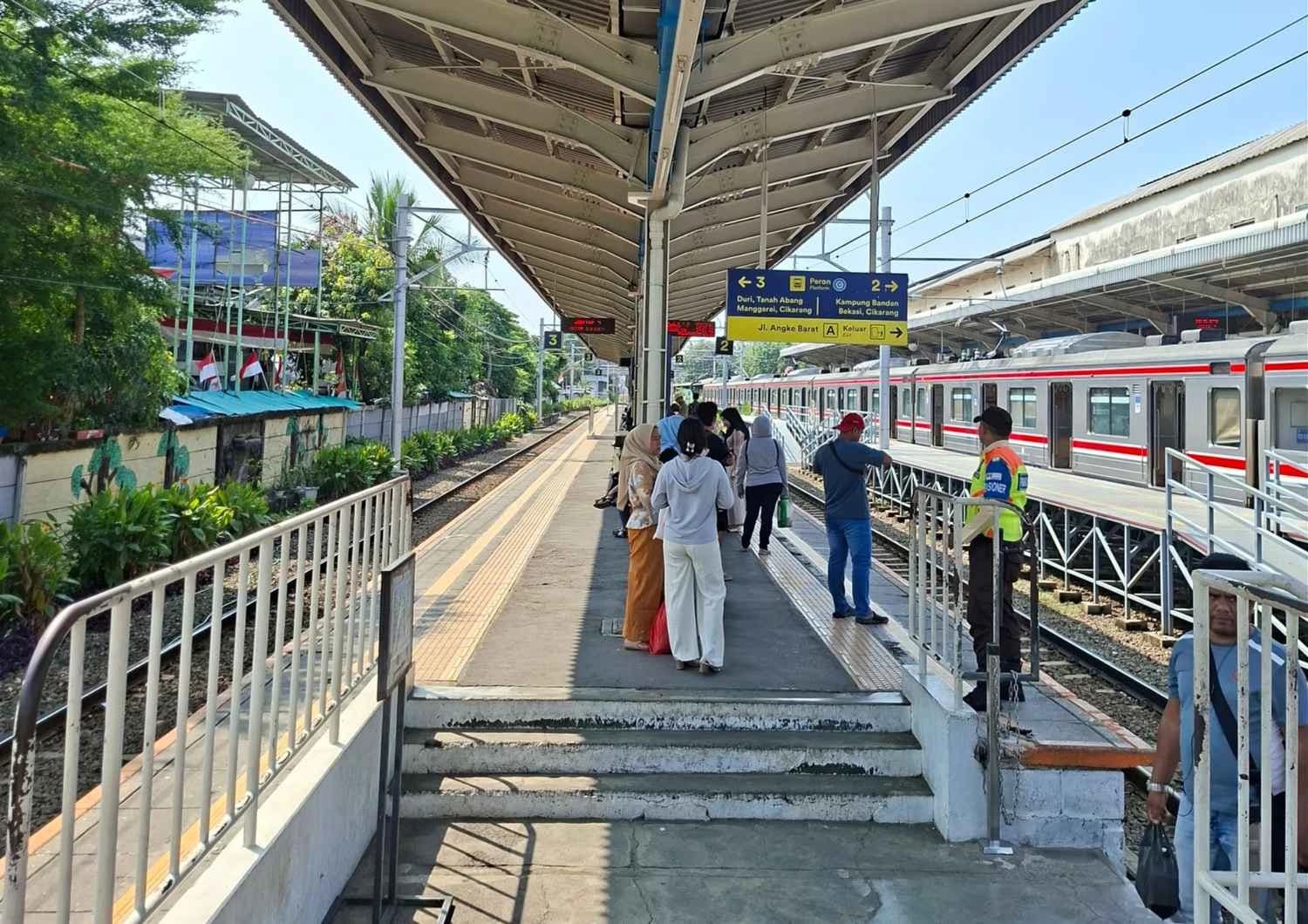
In these journeys, the railway network has a strategic role in bringing people closer to coastal areas before they continue their trips using urban transportation to the port. KAI Group, through Commuter Line, serves passengers at Angke Station and Ancol Station, two stations that can become part of the travel chain toward the coastal areas of North Jakarta.
Vice President Corporate Communication KAI Anne Purba said that strengthening transportation services to the Seribu Islands highlights the growing importance of connectivity between railways, road transportation, and sea transportation.
“The Seribu Islands are part of Jakarta, but their geographical characteristics mean that people's journeys require transfers between different modes of transportation. Railways can play a role in journeys from various areas to Jakarta, after which passengers can continue by urban transportation to the port and then travel by sea,” said Anne.
One access route is from Angke Station to Kali Adem Port in the Muara Angke area. The distance between the two is approximately 7–8 kilometers, allowing passengers to continue their journey using urban transportation to one of the main gateways for crossings to the Seribu Islands.
Meanwhile, Ancol Station is approximately 2–3 kilometers from the Marina Ancol area, which is also known as one of the departure points for marine tourism trips to various islands in the Seribu Islands. Its proximity provides an alternative for people who want to combine train travel with connecting transportation to reach marine tourism destinations.
The role of these two stations can be seen from their high passenger activity. Throughout January–June 2026, Angke Station recorded 1,505,477 gate-in activities and 1,584,099 gate-out activities, bringing the total passenger activity to 3,089,576 over the six-month period.
Passenger activity at Angke Station has also shown an increasing trend. In 2024, a total of 5,520,375 gate-in and gate-out activities were recorded, increasing to 5,927,071 activities in 2025, or an increase of 7.37 percent.
At Ancol Station, 295,180 gate-in activities and 255,109 gate-out activities were recorded throughout January–June 2026, bringing total passenger activity to 550,289. This figure represents approximately 53.4 percent of the total passenger activity throughout 2025, which reached 1,030,402.
According to Anne, the high level of passenger movement through both stations shows that the Commuter Line network can serve as one of the gateways for expanding public access to the coastal areas of Jakarta.
“The more public transportation options available to reach crossing points, the more people can access the Seribu Islands. For us, connectivity means making people's journeys easier from their starting point all the way to their final destination,” said Anne.
This connectivity has broader implications for equal access to mobility. Residents of the Seribu Islands need convenient access to education centers, healthcare services, government offices, commercial areas, and workplaces on the mainland. At the same time, residents from various parts of Jabodetabek will have greater opportunities to access the Seribu Islands through public transportation.
This travel chain makes the function of public transportation go beyond simply moving people from one point to another. Connectivity opens access for island communities to economic activities and services on the mainland, while also bringing the economic potential of the Seribu Islands closer to a much broader market.
These benefits are increasingly important because the Seribu Islands have significant marine tourism potential. The area consists of more than 110 islands, with beaches, waters, and marine ecosystems that form part of Jakarta's natural wealth.
Destinations such as Pari Island, Tidung Island, Pramuka Island, and Untung Jawa Island are popular tourist destinations. Pari Island is known for its white sandy beaches and clear seawater, while Pramuka Island offers marine views and a relatively pristine island environment.
As access to these destinations becomes easier, the benefits of travel can reach local communities more broadly. Tourist movements support accommodation, culinary businesses, boat rentals, tour guides, trade, local transportation services, and various other community-based businesses on the islands.
“The beauty of the Seribu Islands is relatively close to Jakarta's main activity centers. The challenge is to make the journey there easier. When railways, urban transportation, and sea transportation are well connected, people have more options for traveling, while the economic potential of island communities can also be further developed,” said Anne.
KAI views stronger connectivity as an important part of expanding the benefits of public transportation. In an intermodal journey, each mode of transportation has its own role and continues the journey for passengers.
“Railways can be the starting point of a journey to the sea. From various areas across Jabodetabek, people can take the Commuter Line, continue their journey to the port, and then cross the sea to enjoy the Seribu Islands. The more connected the transportation system becomes, the closer people can get to the various areas and potential that Jakarta has to offer,” concluded Anne.
VP Corporate Communication KAI