
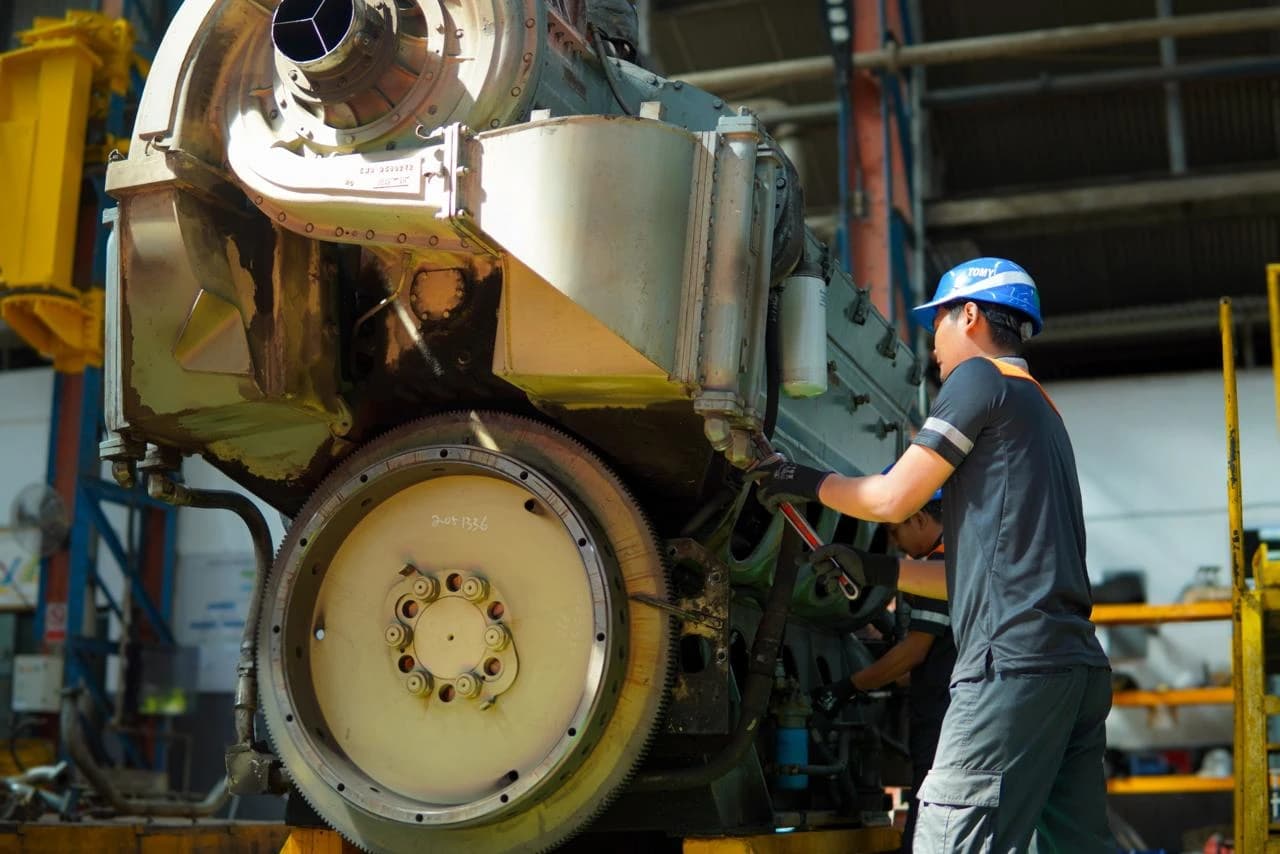
KAI Manages 14,56 Thousand Tons of Operational Waste Throughout 2025
Every Train journey is supported by a wide range of activities, from rolling stock maintenance, station management, depots, and railway workshops to customer services. Throughout 2025, KAI recorded the management of 14,562.40 tons of waste from company activities, consisting of hazardous and toxic materials (B3) and non-B3 waste.
KAI Vice President Corporate Communication Anne Purba said that environmental management is carried out throughout operational processes while also providing customers with more environmentally friendly travel options.
“Environmental management is part of our daily work processes. KAI continues to strengthen waste management while providing facilities and innovations that help customers develop more responsible travel habits,” said Anne.
Throughout 2025, 2,683.81 tons of B3 waste were recorded from company activities. KAI also recorded 11,564.41 tons of non-B3 waste and garbage, the management of which involved third parties in accordance with applicable regulations.
Efforts to reduce waste generation are also directly implemented at stations. By the end of 2025, KAI had provided 124 Water Station units at 70 stations. These facilities allow customers to refill drinking water by bringing their own tumblers or bottles, thereby reducing the use of single-use packaging.
Within its travel services, KAI also uses wooden cutlery and waste bags made from recycled plastic as part of efforts to utilize more environmentally friendly materials. Policies restricting the use of single-use plastics also continue to be implemented across company activities.
“Through Water Stations, customers can bring tumblers and refill drinking water during their journeys. Simple habits like this, when practiced widely, can help reduce the use of single-use packaging within the public transportation ecosystem,” said Anne.
KAI also conducts Green Travel education for employees, suppliers, tenants, and customers. The education encourages the use of reusable items, reduction of single-use plastics, and more orderly waste management while at stations and during journeys.
Efforts to reduce material usage are further strengthened through travel digitalization, including the use of e-boarding through Access by KAI and Face Recognition Boarding Gates, which reduce the need to print paper-based boarding passes.
“KAI will continue to strengthen waste management, the use of more environmentally friendly materials, digitalization, and facilities that support changes in customer habits. We want every journey to become increasingly efficient in its use of resources and have an increasingly positive impact on the environment,” concluded Anne.
VP Corporate Communication KAI