
From Major Cities to Smaller Towns, the 10 Busiest Local Train Routes Serve 1.85 Million Customer Journeys
Every morning, people across various cities begin their journeys with different destinations in mind. Some head to work or school, others transport goods, visit family, or spend the weekend in a neighboring city. Local trains are part of these daily activities, connecting urban areas with residential neighborhoods and community activity centers. From January to October 2026, PT Kereta Api Indonesia (Persero) recorded 1,859,404 customer journeys across the 10 busiest Local Train routes in Java and Sumatra.
KAI Vice President of Corporate Communication Anne Purba said that Local Train services are closely connected to people's everyday lives. Relatively short distances between cities, access to activity centers, and fare options tailored to different service types make trains one of the transportation modes used for various purposes.
“Every region has its own mobility patterns. In some areas, trains are a preferred option for commuting to work and school. In others, people also use trains to visit family, conduct business, and travel for leisure. Intercity journeys are part of people's everyday economic and social activities,” said Anne.
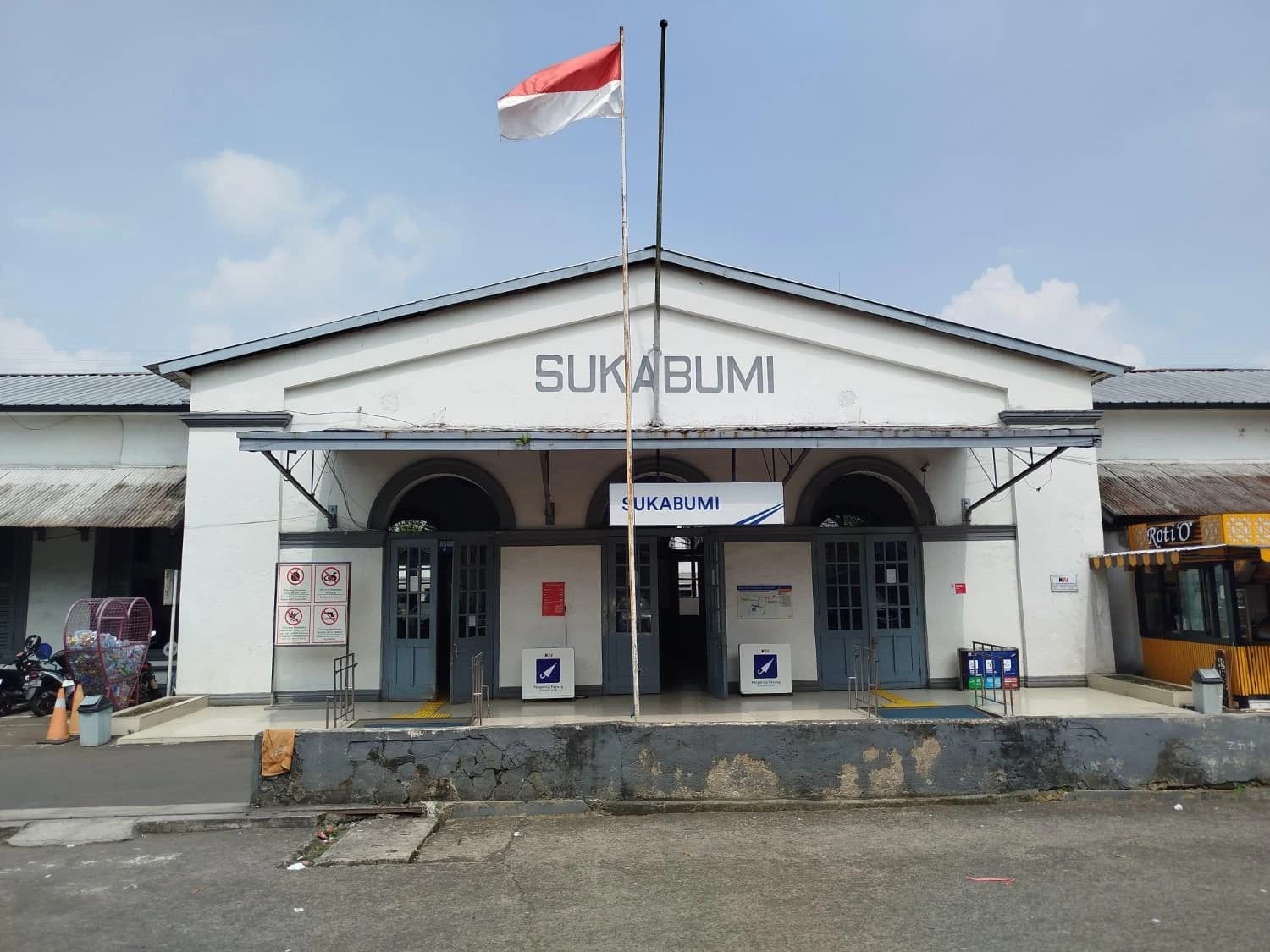
According to KAI's performance report, the Sukabumi–Bogor Paledang route ranked first with 262,991 customers, followed by the Bogor Paledang–Sukabumi route with 254,964 customers. Combined, the two directions served 517,955 customers over the ten-month period. This corridor connects the Bogor and Sukabumi areas, which have active trade, education, residential, and tourism sectors.
On the western coast of Sumatra, journeys between Pariaman and Padang also recorded high customer volumes. The Pariaman–Padang route served 215,233 customers, while the Padang–Pariaman route recorded 212,428 customers. The combined total of 427,661 customer journeys in both directions reflects the extensive use of trains connecting Padang's activity centers with the coastal area of Pariaman, known for Pantai Gandoriah, marine tourism, and Minangkabau cultural traditions.
Meanwhile, journeys between Solo and Semarang demonstrate the connectivity between two cities with distinct economic and cultural characteristics. The Solo–Semarang Tawang route recorded 181,920 customers, while the Semarang Tawang–Solo route served 173,573 customers. The combined total of 355,493 customers on these routes reflects mobility between Solo, known for its cultural heritage and creative industries, and Semarang, whose economy continues to grow through trade, services, and industry.
“Interestingly, intercity travel needs each have their own stories. Bogor and Sukabumi are connected through residential areas, trade, and nature tourism. Padang and Pariaman share a rich coastal culture, while Solo and Semarang are connected through economic, educational, and tourism activities. Trains help people access all these activities,” Anne explained.
Mobility along the Sukabumi–Cianjur corridor also placed it among the busiest routes. The Sukabumi–Cianjur route recorded 167,135 customers, while the Cianjur–Sukabumi route served 156,731 customers, bringing the combined total to 323,866 customers. These two cities in West Java are connected through trade, agriculture, education, and community activities in areas along the railway line.
Beyond these four corridors, the Siantar–Medan route in North Sumatra recorded 117,546 customers, while the Jember–Banyuwangi route in East Java served 116,883 customers. The inclusion of both routes in the top 10 shows that Local Train services are widely used across regions with diverse geographical characteristics, economic activities, and travel needs.
Anne explained that journey data serves as one of the key references for evaluating and understanding customer needs in each region. KAI continues to focus on safety, comfort, access to information, and service reliability to ensure that train services keep pace with people's evolving mobility needs.
“Behind these journey figures are people going about their daily activities. There are traders heading to markets, students pursuing their education, workers carrying out their duties, and families visiting one another. We want trains to remain a safe, comfortable, and accessible travel option for people in various regions,” Anne concluded.
VP Corporate Communication KAI