
From Historical Footprints to the Future of Cities, KAI Develops the Role of Stations as Indonesia’s Mobility Hubs
Throughout Indonesia’s 159-year railway history, railway lines have become part of the development of various cities across Indonesia. Railways that were once built to connect centers of community activity have now developed into transportation networks that support journeys, economic activities, and regional growth.
Stations are among the spaces that reflect these changes. From places of departure and arrival, stations have developed into hubs where people’s mobility, economic activities, and connectivity between regions converge.
This phenomenon can be seen in various cities around the world. Tokyo, London, and Paris demonstrate how areas surrounding stations have developed into centers of urban activity through the integration of transportation, business districts, residential areas, commercial areas, and public spaces. This approach is known as Transit Oriented Development (TOD), a concept of area development that connects public transportation with various community activities.
The development of these cities around the world demonstrates that rail-based transportation has a close relationship with regional growth. As transportation access becomes increasingly connected, community and economic activities around these areas also develop in line with changing needs.
In Indonesia, the relationship between railways and regional development can be seen in various cities, each with its own story alongside the railway network.
In South Sumatra, Lubuk Linggau Station has become part of the journeys of people in the western region of South Sumatra. The station supports community connectivity and connects activities in the area with the railway network.
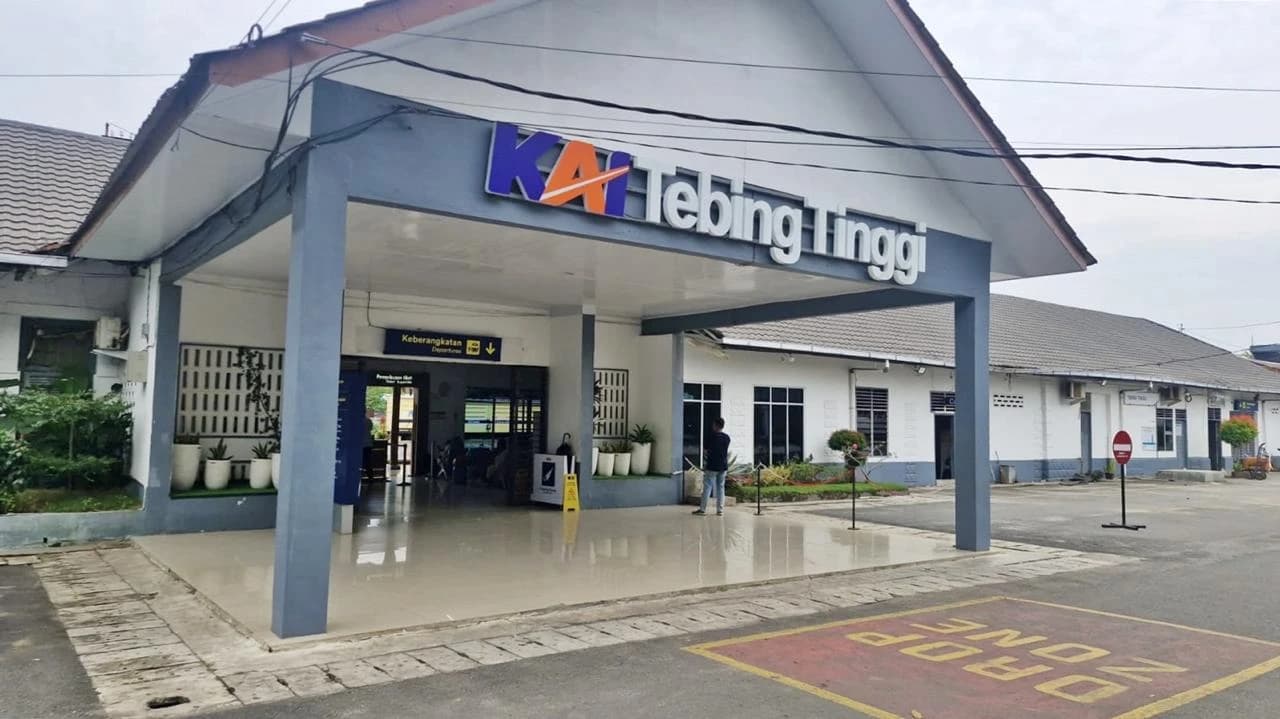
In North Sumatra, Tebing Tinggi Station is one of the travel points for people in the eastern coastal area of Sumatra. Its presence supports connectivity between regions and the growing activities of the community.
Meanwhile, Madiun Station has a close relationship with the development of Indonesia’s railway industry. In addition to being part of the railway route in southern Java, Madiun is also connected to the national railway industry, which has been developing for many years.
At the eastern end of Java, Ketapang Banyuwangi Station plays an important role in people’s journeys to the eastern part of East Java and connectivity to Bali. The connection between railways and other modes of transportation gives the area an important role in people’s journeys and economic activities.
A similar situation can be seen at Cikampek Station, which is located on the route connecting Jakarta, West Java, and Central Java. The development of industrial areas and community activities in the surrounding area makes transportation connectivity an important part of supporting regional mobility.
KAI Vice President of Corporate Communication Anne Purba said that the journeys of various cities alongside railways demonstrate the close relationship between transportation and regional development.
“Railways have shared a long journey with various cities across Indonesia. Each station holds stories of people’s mobility, economic activities, and regional development. Going forward, KAI will continue to develop railway services that are increasingly connected to the needs of the community and regional development,” said Anne.
According to Anne, the development of cities around the world demonstrates that stations have an increasingly broader role in supporting people’s mobility. This serves as a reference for KAI in developing services, transportation integration, station facilities, and the management of areas supporting railway operations.
This development is in line with KAI’s strategic direction in its Corporate Long-Term Plan (RJPP) to provide railway services that are integrated with community needs, regional development, and continuously changing mobility patterns.
KAI data recorded that KAI Group services served 351,602,397 customers from January to August 2026, an increase of 7.09 percent compared to the same period in 2025, which recorded 328,311,868 customers.
Of this total, 317.7 million customers, or 90.29 percent, used public services through the Public Service Obligation (PSO) scheme and pioneer services.
The growth in the use of rail-based transportation demonstrates the increasingly important role of railways in supporting community activities across various regions of Indonesia. From historical footprints to the future, KAI continues to develop the role of stations as part of the journey of cities and the mobility of the Indonesian people.
VP Corporate Communication KAI