
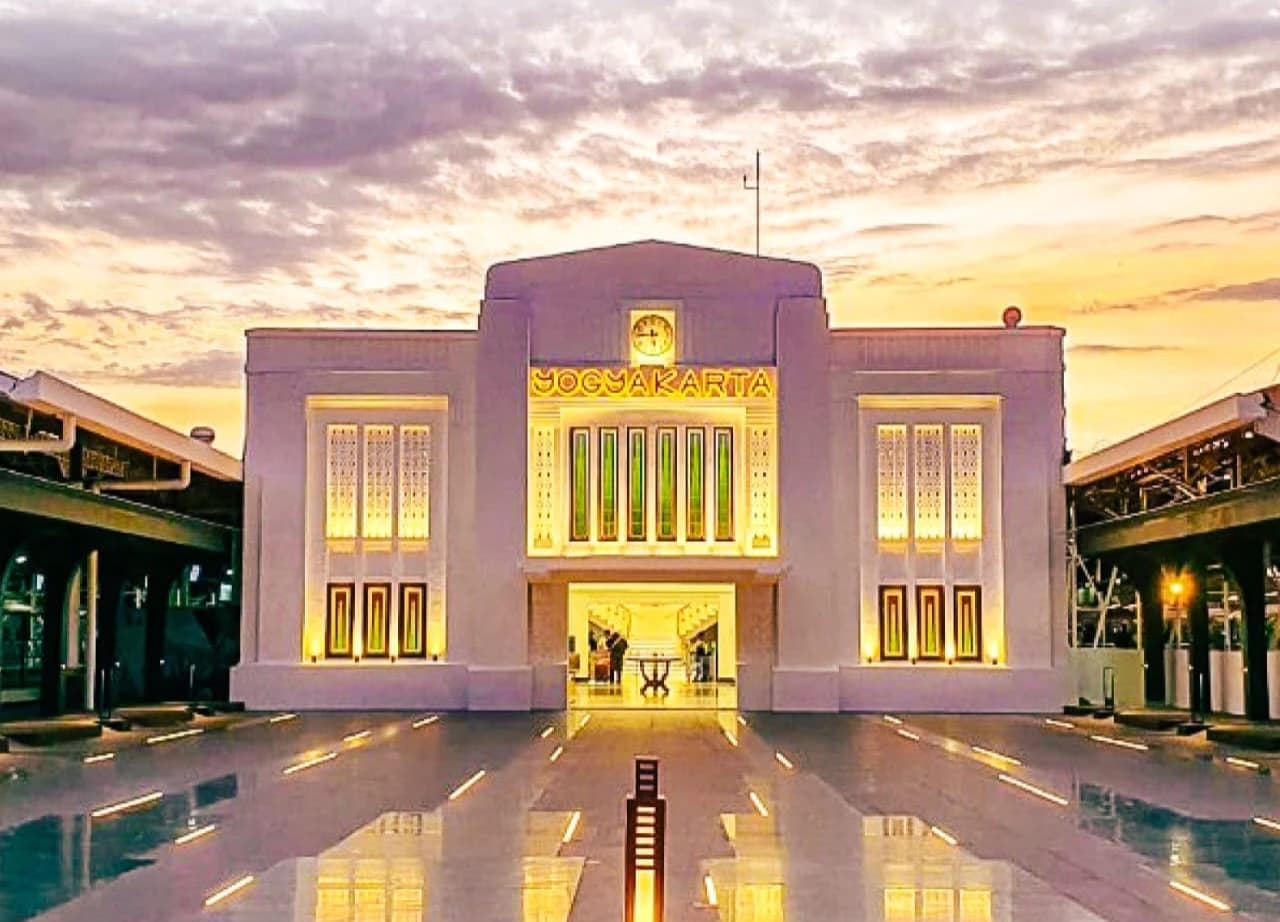
From the Bustling Streets of Jakarta to the Warmth of Yogyakarta’s Culture, 1.16 Million Customers Connected by Train
Jakarta thrives on the rhythm of business, office buildings, and fast-paced metropolitan activities. Approximately 500 kilometers from the heart of this bustling city, Yogyakarta offers a different atmosphere through its cultural life, educational centers, traditional cuisine, and growing creative industries. The distinct character of these two cities creates an interesting connection in terms of mobility. From January to October 2026, PT Kereta Api Indonesia (Persero) recorded 1,164,448 customers traveling on the round-trip Gambir–Yogyakarta route, making it the Long-Distance Train route pair with the highest passenger volume.
KAI Vice President of Corporate Communication Anne Purba said Jakarta and Yogyakarta share close ties through economic, educational, cultural, and tourism activities. People's journeys between the two cities reflect a wide range of needs, from family visits and business trips to commercial activities and tourism experiences.
“Jakarta offers the dynamics of metropolitan life, while Yogyakarta is rich in traditions, an academic environment, and the ever-growing creativity of its people. The distinct character of these two cities gives people many reasons to travel. Trains are one of the transportation options connecting these activities,” said Anne.
According to KAI data, the Gambir–Yogyakarta route served 603,400 customers, the highest among all Long-Distance Train routes from January to October 2026. Meanwhile, the Yogyakarta–Gambir route recorded 561,048 customers, ranking second. Combined, these routes served an average of approximately 3,830 customers per day.
In Jakarta, trade, services, and business activities are essential parts of the city's vibrant life. Meanwhile, in Yogyakarta, Malioboro, the Yogyakarta Palace, batik centers, art galleries, and tourist villages offer spaces where tradition meets modern life. The growth of cafes, creative spaces, art performances, and culinary businesses has further expanded the range of activities visitors can enjoy in Yogyakarta.
These developments go hand in hand with regional economic activity. According to a Bank Indonesia report, the economy of the Special Region of Yogyakarta grew by 5.75% year-on-year in the second quarter of 2026, exceeding the national economic growth rate of 5.29%. Household consumption, investment, and business activities have all contributed to the region's continuing economic development.
“Yogyakarta has managed to preserve its cultural identity while creating opportunities for various new economic activities. Its arts, culinary scene, education sector, and creative businesses offer distinctive experiences. For people from Jakarta, a trip to Yogyakarta offers a different atmosphere, while traveling to Jakarta provides access to various economic and business centers,” Anne explained.
Connectivity between the two regions is also reflected in the use of other stations. From January to October 2026, the Lempuyangan–Pasarsenen route served 394,072 customers, while the Pasarsenen–Lempuyangan route recorded 381,369 customers. Combined with the round-trip Gambir–Yogyakarta routes, these four routes connecting the Jakarta and Yogyakarta areas served a total of 1,939,889 customers over the ten-month period.
Travel activity to other cities in Central Java also recorded substantial passenger volumes. The Gambir–Semarang Tawang route served 448,626 customers, while the Semarang Tawang–Gambir route recorded 422,042 customers. These figures reflect the extensive use of trains for mobility to cities with active trade, education, industrial, and tourism sectors.
Overall, KAI served 49,932,764 customers through its passenger transportation services covered in the company's performance report from January to October 2026, an increase of 8.99% compared with 45,814,275 customers during the same period last year. KAI continues to evaluate its train services, booking convenience, and customer information delivery in response to people's evolving mobility needs.
“Every journey has a story. Some people travel to Jakarta to work and develop their businesses, while others head to Yogyakarta to study, meet family, enjoy local cuisine, or explore cultural heritage. We want train journeys to provide customers with a comfortable experience as they explore various cities across Indonesia,” Anne concluded.
VP Corporate Communication KAI