
Bandung, Pekalongan, Solo, and Malang Become UNESCO Creative Cities, Train Mobility Reaches 7.86 Million Activities
Bandung is known for its design and creative industry. Pekalongan grows together with batik tradition, Solo with art and crafts, while Malang develops through digital media and technology-based creative industries. These four cities have joined the UNESCO Creative Cities Network and become part of the cities served by the railway network.
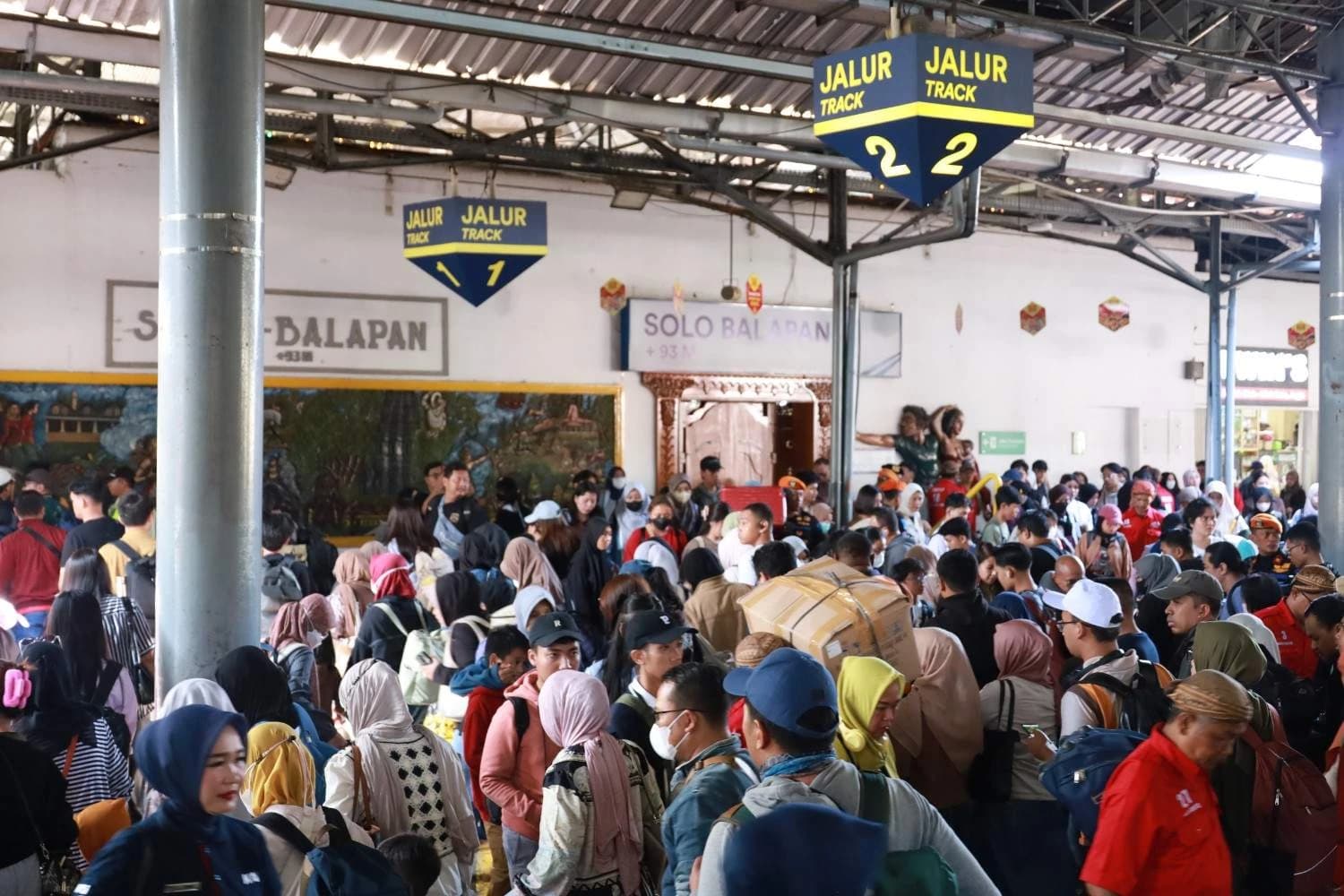
Throughout January–September 2026, PT Kereta Api Indonesia (Persero) recorded 7,855,198 long-distance and local train customer boarding and alighting activities at Bandung, Pekalongan, Solo Balapan, and Malang Stations. This figure increased by 8.85 percent compared to 7,216,612 activities in the same period of 2025.
KAI Vice President Corporate Communication Anne Purba stated that public movement toward these cities demonstrates the diverse needs of intercity travel, ranging from work, education, trade, cultural activities, to tourism.
“Bandung, Pekalongan, Solo, and Malang have different city characteristics. Creative activities, education, business, culture, and tourism make people's movement toward these cities take place throughout the year. Trains are one of the travel choices to reach these various activities,” Anne said.
Bandung has been part of the UNESCO Creative Cities Network since 2015 in the field of Design. The city has a creative ecosystem that thrives on design, fashion, architecture, graphic design, creative products, to digital media.
Throughout January–September 2026, Bandung Station recorded 2,606,290 long-distance and local train customer activities, an increase of 12.26 percent compared to 2,321,687 activities in the same period of the previous year.
Travel options toward the Bandung area are also available via Whoosh. Throughout January–September 2026, Whoosh served 4,576,841 customers, an increase of 1.16 percent compared to 4,524,311 customers in the same period of 2025. During this period, the highest monthly customer volume was recorded in July with 578,562 customers and August with 560,772 customers.
According to Anne, the variety of rail-based services gives the public more travel choices toward the Bandung area.
“The characteristics of travel to Bandung are very diverse. There are people who come to work, study, run a business, travel, attend concerts, exhibitions, conferences, to various creative activities. Every need has a different travel pattern,” Anne said.
In Central Java, Pekalongan has been a member of the UNESCO Creative Cities Network since 2014 in the field of Crafts and Folk Art. Batik has become a strong part of the economic and cultural life of the city's community.
Throughout January–September 2026, Pekalongan Station recorded 1,050,509 customer activities, an increase of 3.72 percent compared to 1,012,784 activities in the same period of 2025.
The next city is Surakarta, which entered the UNESCO Creative Cities Network in 2023 in the field of Crafts and Folk Art. Solo has creative activities closely related to batik, crafts, dance, karawitan, wayang, and various cultural performances.
Solo Balapan Station recorded 2,538,838 long-distance and local train customer activities throughout January–September 2026, growing by 11.60 percent compared to 2,274,844 activities in the same period of the previous year.
Rail-based mobility in Solo is also served by Commuter Line Area VI Yogyakarta on the Yogyakarta–Palur corridor. Throughout January–September 2026, this service recorded approximately 7.16 million customers, an increase of 7.68 percent compared to approximately 6.65 million customers in the same period of 2025. Solo Balapan is one of the main stations in that corridor.
The presence of long-distance, local, and commuter trains makes travel patterns toward Solo have a wide reach, ranging from intercity travel to daily mobility of the Solo Raya and Yogyakarta communities.
Meanwhile, Malang became part of the UNESCO Creative Cities Network in 2025 in the field of Media Arts. The city has a creative ecosystem that develops in animation, games, film, design, content production, and various digital activities.
Throughout January–September 2026, Malang Station served 1,659,561 customer activities, an increase of 3.25 percent compared to 1,607,297 activities in the same period of 2025.
The movement toward these four cities took place when Indonesia's tourism activities were also at a high level. Statistics Indonesia (BPS) recorded 104.30 million domestic tourist trips in August 2026. In the same month, foreign tourist visits to Indonesia reached 1.60 million visits.
Anne said the customer activity figures at stations, Whoosh, and Commuter Line encompass various travel purposes and therefore cannot be entirely categorized as tourism trips or creative economy activities. However, these data show the magnitude of public mobility toward cities with strong economic, cultural, educational, and tourism activities.
“Every city has a reason that makes people come. Some seek cultural experiences, attend events, run businesses, study, enjoy culinary treats, or visit family. It is mobility like this that helps keep cities alive and moving forward,” Anne concluded.
VP Corporate Communication KAI