
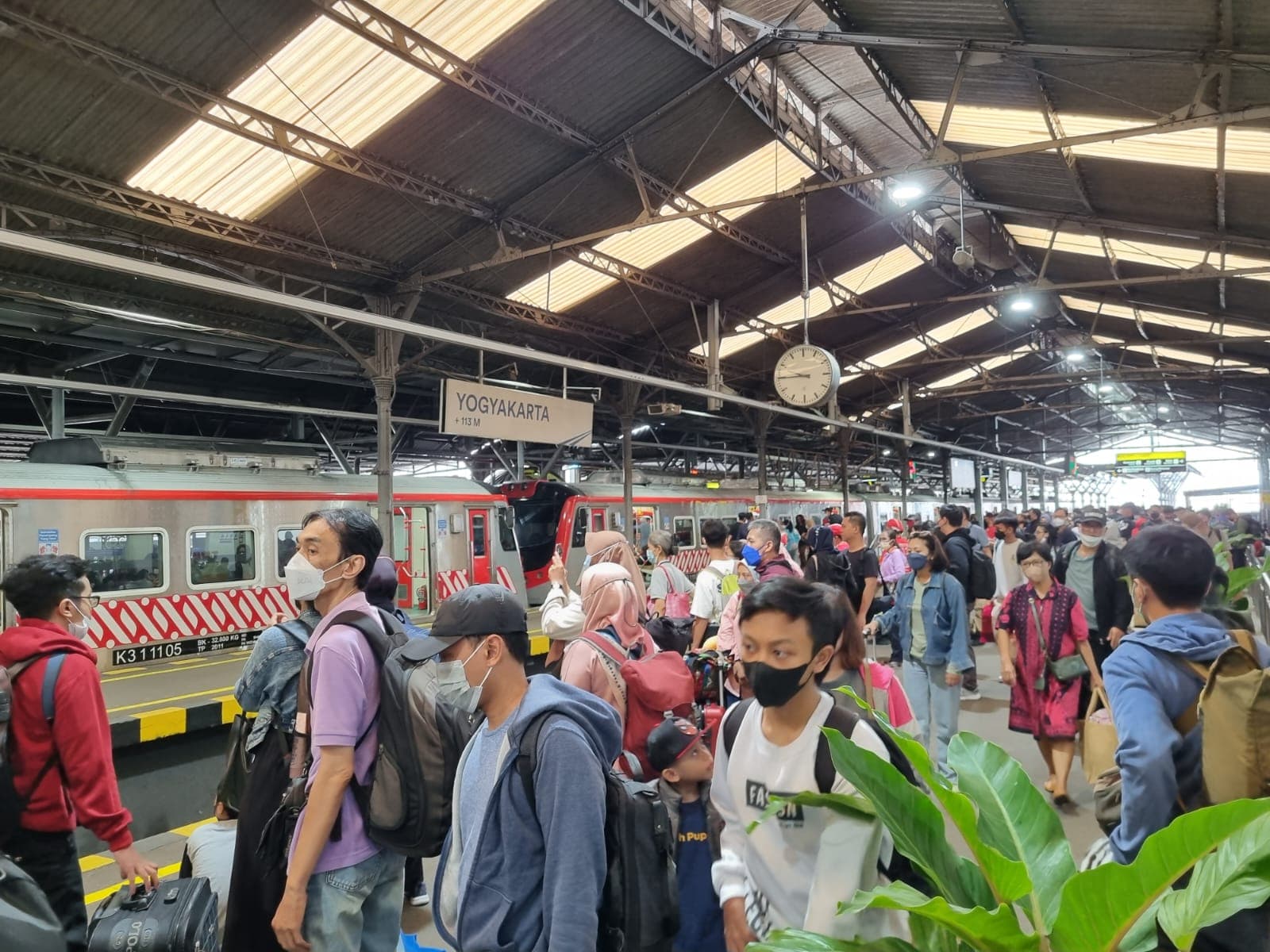
Urban Transportation Sees Growing Demand, Railways Strengthen Mobility in the Central Java Agglomeration
Weekends and holiday periods often mark an increase in community mobility across Central Java and the Special Region of Yogyakarta. Intercity travel, trips to airports, and daily mobility within urban areas increasingly underscore the important role of rail-based public transportation. This trend is reflected in the performance of urban, local, and airport railway services, which continued to grow throughout January 2026.
This movement pattern is in line with the regional mobility overview released by the Central Statistics Agency (BPS) in 2025. Central Java was recorded as one of the provinces with a high intensity of inter-regency/city commuter trips, particularly along the Semarang–Solo–Yogyakarta–Purwokerto corridor. Interconnected economic, educational, tourism, and public service activities are driving the need for scheduled, comfortable, and easily accessible travel.
In this context, PT Kereta Api Indonesia (Persero) continues to strengthen urban transportation services as part of the mobility ecosystem in the Central Java and Special Region of Yogyakarta agglomeration.
Vice President of Corporate Communication KAI Anne Purba stated that the increasing number of customers across various services indicates a shift in travel habits, with people increasingly relying on railways.
“Railways have now become a comfortable travel option for various needs, ranging from daily mobility and weekend trips to access to airports. This is reflected in the growth in customers across various services in Central Java,” said Anne.
Intercity services within the agglomeration area have also shown positive performance through the Joglosemarkerto Train. In January 2026, this Executive and New Generation Economy Class train served 110,409 customers, an increase from 97,929 customers in January 2025. The Yogyakarta–Solo–Semarang–Purwokerto circular route makes this service widely utilized for family trips, tourism activities, and interregional mobility.
Connectivity to airports has also been strengthened through the BIAS Train (Adi Soemarmo Airport Train). Throughout January 2026, this service served 74,102 customers, up from 63,730 customers in January 2025. With affordable fares starting from Rp7,000 to Rp40,000, the BIAS Train facilitates travel from Solo City center to the Caruban and Madiun areas, while also supporting smooth air travel.
In the western part of Central Java and the Special Region of Yogyakarta, the Yogyakarta International Airport (YIA) Airport Train also recorded stable performance. In January 2026, this service served 239,331 customers, an increase from 229,716 customers in January 2025. The availability of Regular and Xpress services provides travel flexibility for tourists as well as people traveling for family and work purposes.
Daily mobility in urban areas continues to be supported by KRL Area VI Yogyakarta (Yogyakarta–Palur Commuter Line). Throughout January 2026, this service served 758,375 customers, an increase from 712,152 customers in January 2025. With a frequency of 27 to 31 trips per day and serving 11 main stations, KRL Area VI serves as an important link connecting Yogyakarta, Klaten, and the Greater Solo area.
Local train services further complement community mobility. The Prameks Train served 94,567 customers in January 2026, an increase from 86,973 customers in January 2025, operating on the Yogyakarta–Kutoarjo route with affordable fares. Meanwhile, the Batara Kresna Train operating on the Purwosari–Wonogiri route (round trip) served 16,294 customers, up from 12,497 customers in the same period the previous year, in line with an increase in travel frequency.
Anne added that the increasing use of railways in Central Java reflects the role of rail-based transportation in supporting the increasingly dynamic mobility of the agglomeration area.
“Railways provide more organized, comfortable, and easily accessible journeys. With interconnected services, railways have become a relevant mobility solution for various travel needs of the community,” she explained.
Through the strengthening of integrated urban, local, and airport services, KAI continues to support the mobility of communities in Central Java and the Special Region of Yogyakarta. With increasingly diverse travel patterns, railways are expected to remain the community’s primary choice, including for enjoying weekend trips and holiday periods.
VP Corporate Communication KAI
