
KAI Transports 983,036 Tons of Non-Coal Goods in January 2026, Strengthening the National Supply Chain
PT Kereta Api Indonesia (Persero) recorded positive performance in freight transportation in January 2026. During the period, KAI transported 983,036 tons of non-coal goods, reflecting the strategic role of railways in supporting reliable and scheduled national logistics distribution.
Vice President of Corporate Communication KAI Anne Purba stated that this achievement demonstrates the business community’s trust in rail-based freight services. Railways are considered consistent in providing certainty of travel time, large transportation capacity, and measured operational patterns, making them a competitive logistics option for various industrial sectors.
The commodities transported by KAI include cement, containers, fuel, plantation products, and retail goods. The diversity of cargo demonstrates the flexibility of KAI’s services in responding to cross-sector distribution needs, ranging from basic industries and energy to fulfilling public consumption needs.
Anne explained that the transportation of cement and plantation products makes an important contribution to the smooth supply of construction materials and regional flagship commodities. Meanwhile, container and retail services play a role in maintaining the continuity of consumer goods distribution, particularly along major logistics corridors connecting production centers and markets.
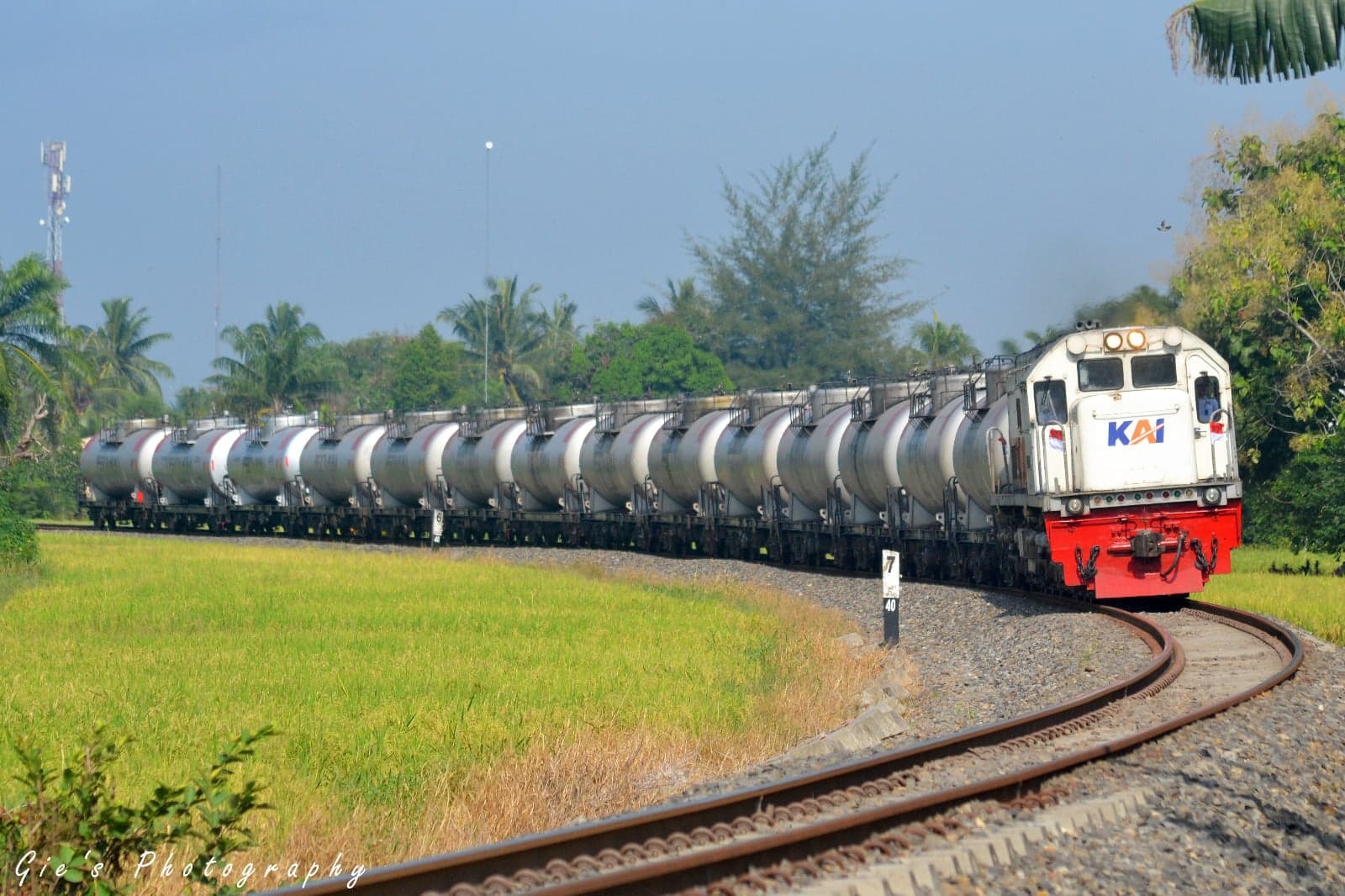
From an energy perspective, fuel transportation by KAI supports national supply resilience through scheduled and controlled delivery patterns. Rail transportation enables the movement of large volumes with stable efficiency levels, thereby helping maintain energy availability for the transportation, industrial, and household sectors.
Furthermore, KAI’s freight transportation performance contributes to reducing the burden on road traffic. Shifting distribution to rail helps reduce congestion in land transportation, improve transportation safety, and support efforts to increase overall logistics cost efficiency at the national level.
Anne added that KAI continues to strengthen freight services by optimizing rolling stock, infrastructure, and collaboration with logistics partners. Terminal development, improvements in trainset reliability, and intermodal integration are part of the strategy to maintain sustainable performance.
“Going forward, KAI is committed to continuing to strengthen freight transportation as one of the company’s business pillars. Through a data-driven and market-needs-based approach, KAI aims to provide logistics services that are increasingly relevant and efficient, while contributing positively to economic growth and the smooth distribution of goods throughout Indonesia,” emphasized Anne.
VP Corporate Communication KAI
