Rolling Stock
Rolling stock comprises all rail-bound vehicles managed, operated, maintained, modified, and manufactured by PT Kereta Api Indonesia (Persero) as an integral part of the national railway system. These assets support passenger and freight transportation services while ensuring safe, reliable, innovative, and sustainable railway operations.
KAI’s Rolling Stock: Powering National Mobility
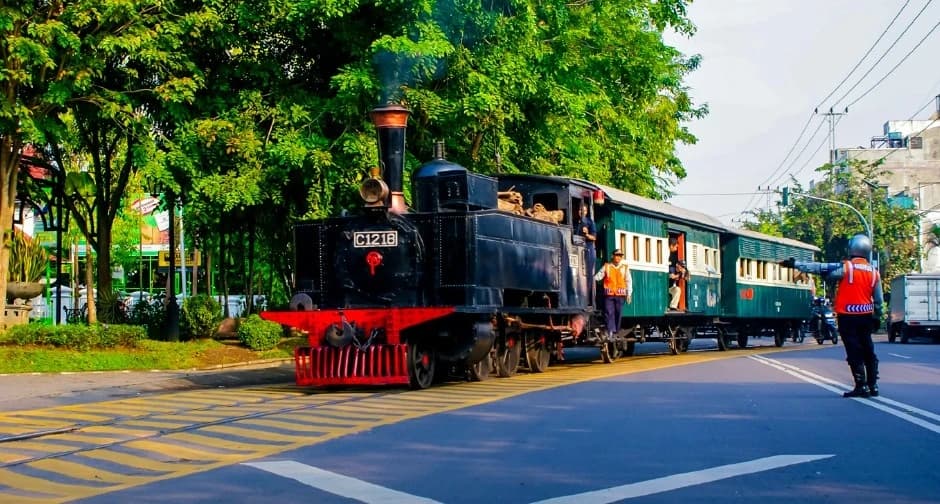
Steam Locomotive
Steam locomotives powered by wood, coal, or residual oil. Heritage machines from the colonial era, now preserved to deliver unique tourist train experiences and museum exhibitions.
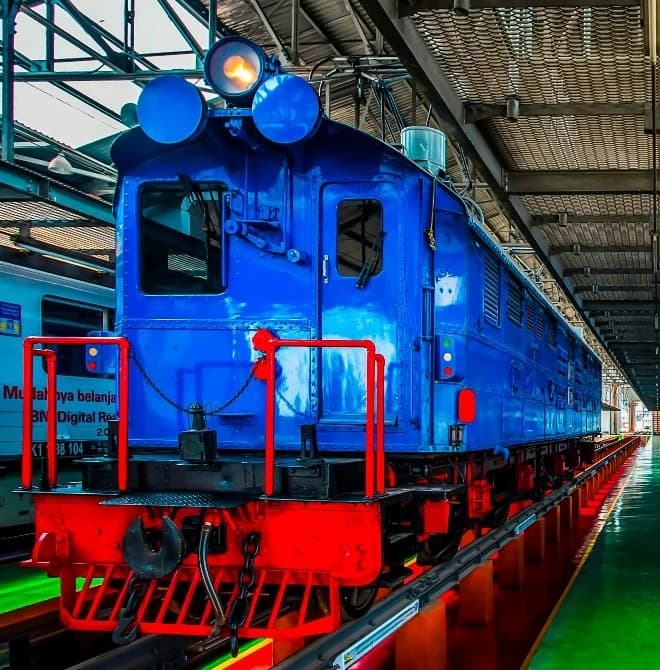
Electric Locomotive
Powered by motors connected to overhead lines or a third rail. Operating since the electrification of the Tanjung Priuk–Jatinegara line in 1925, played a key role in the development of early urban railways.
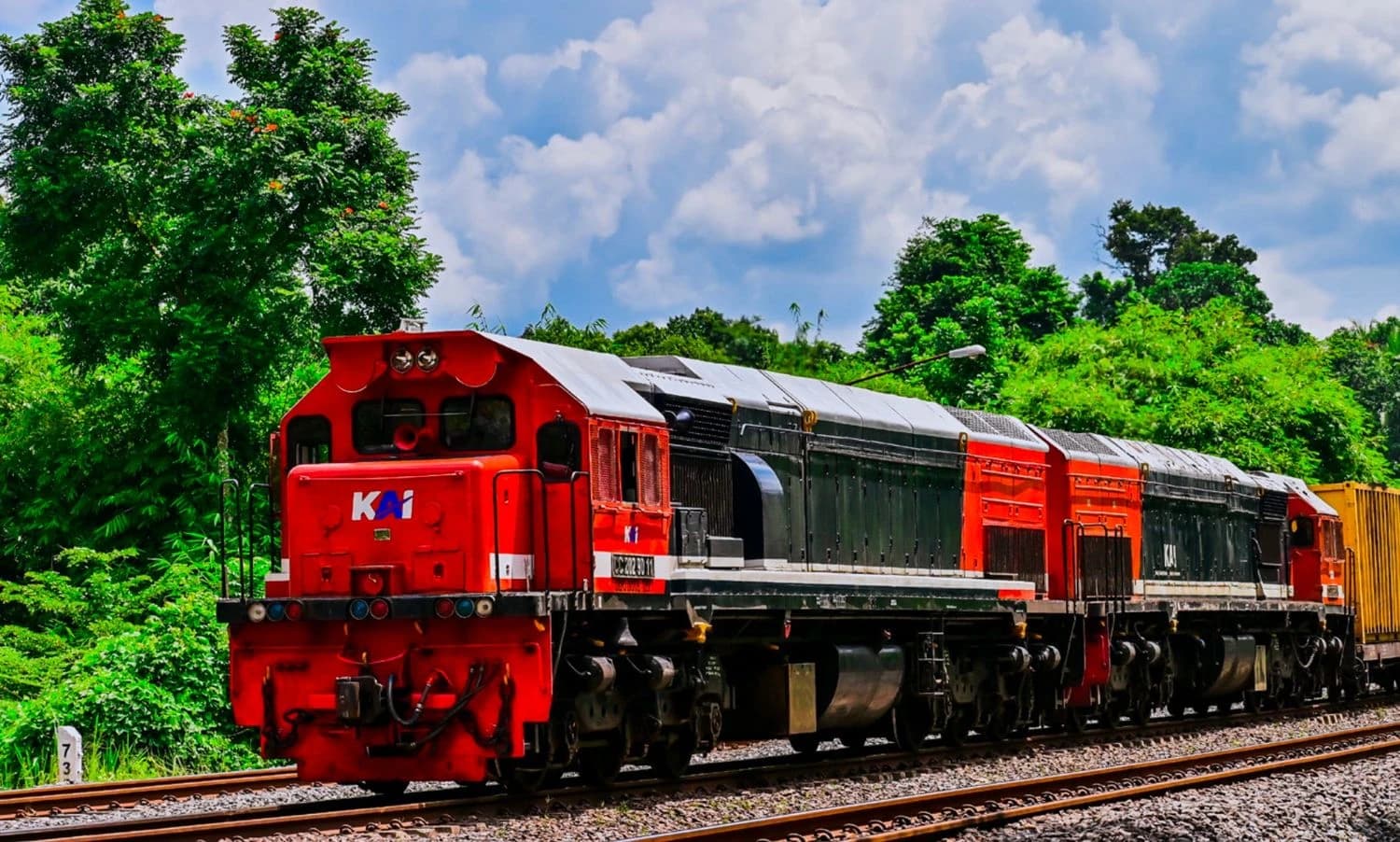
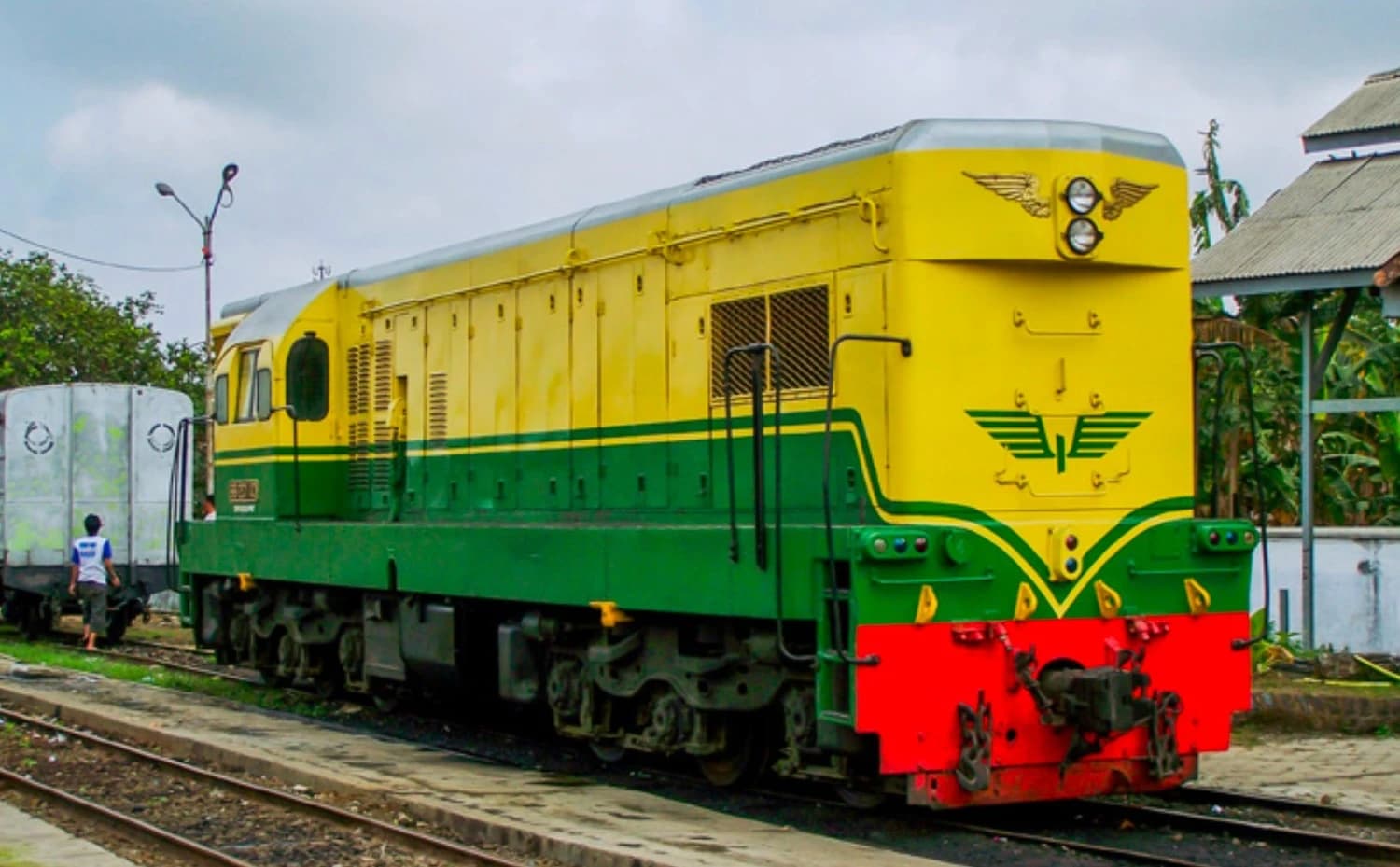
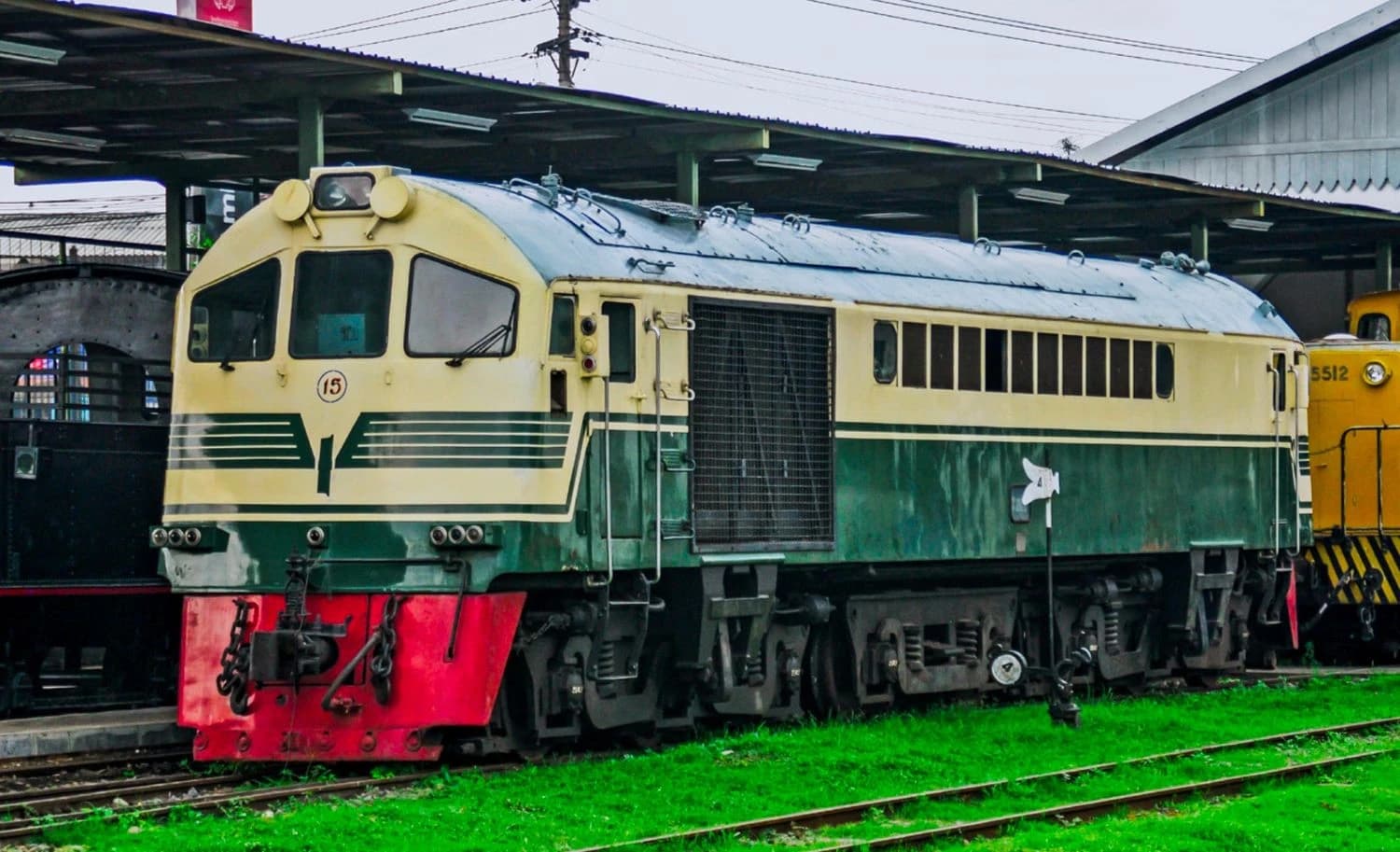
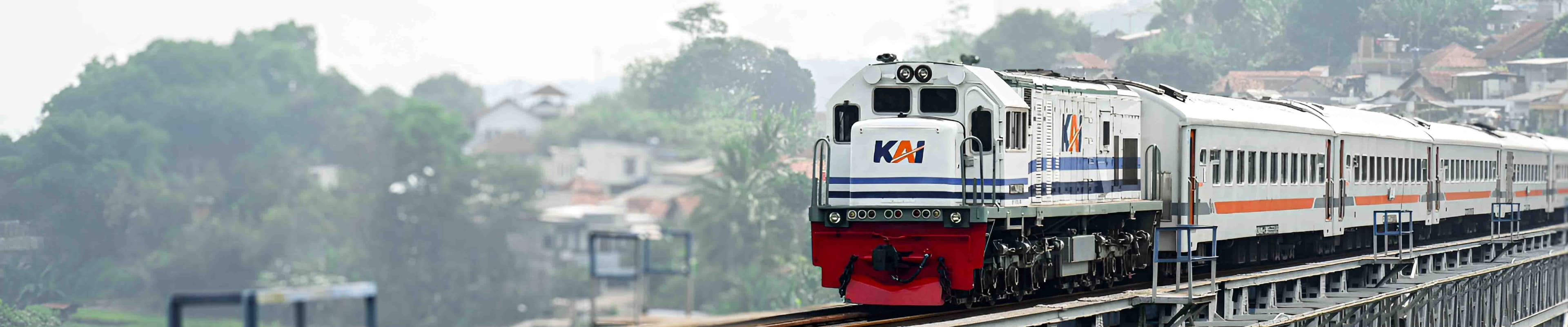
Diesel Locomotive
Diesel locomotives powered by engines with mechanical, hydraulic, or electric transmission. Marking the era of Indonesia’s railway modernization in the 1950s, they now serve as the backbone of long-distance, local, and freight train operations.
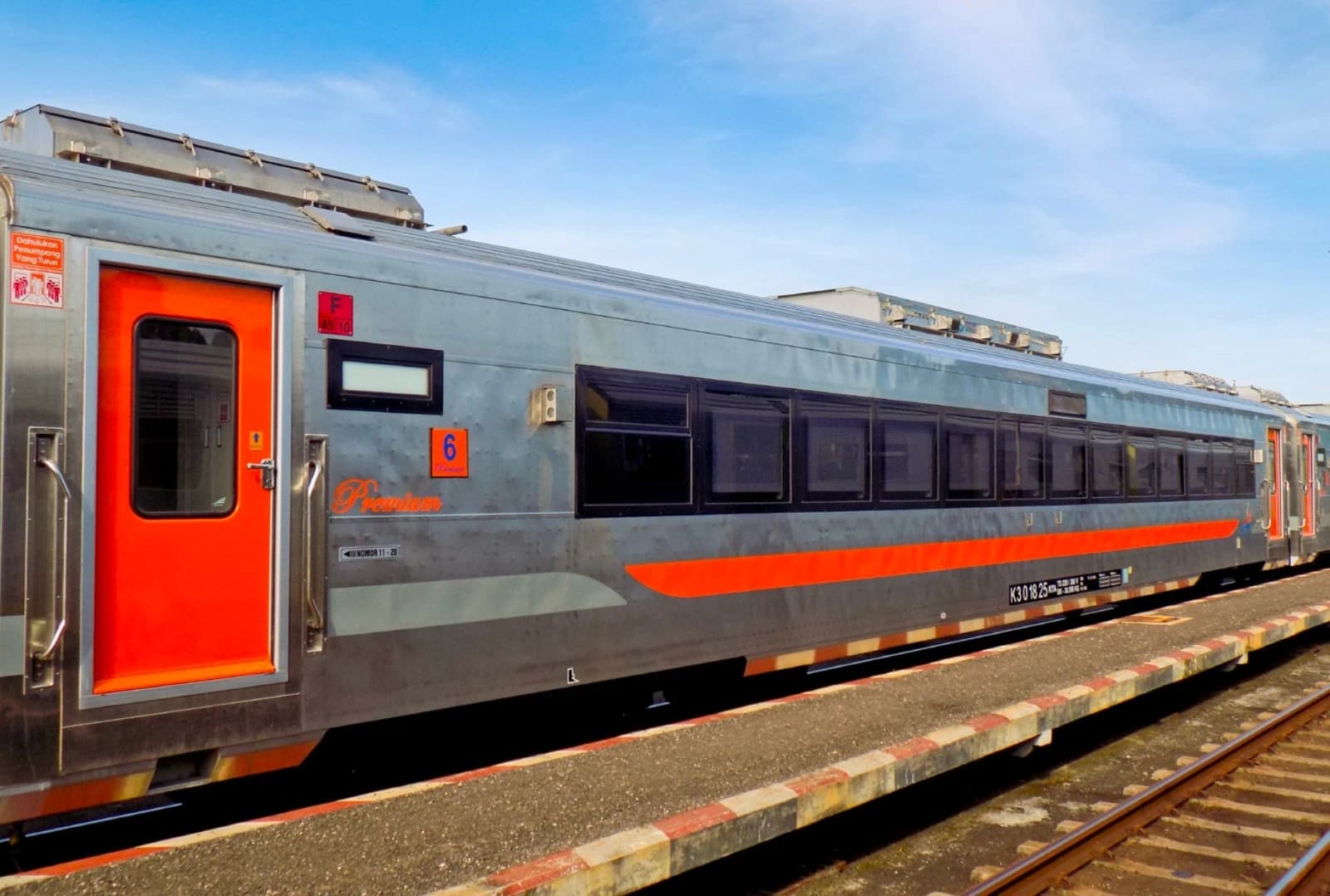
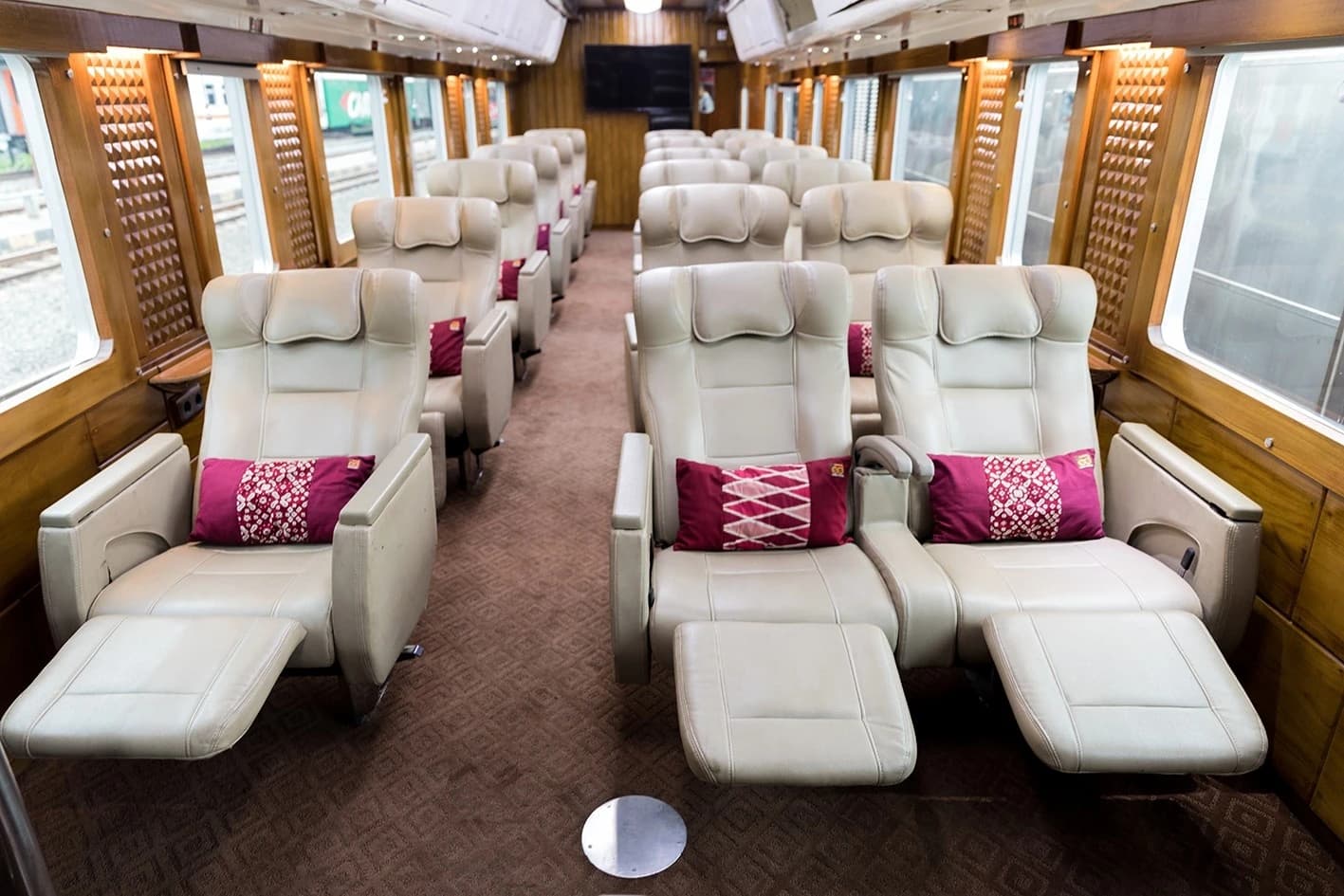
Passenger Train
Locomotive-hauled passenger trains that continue to evolve, offering a range of services while always prioritizing safety.
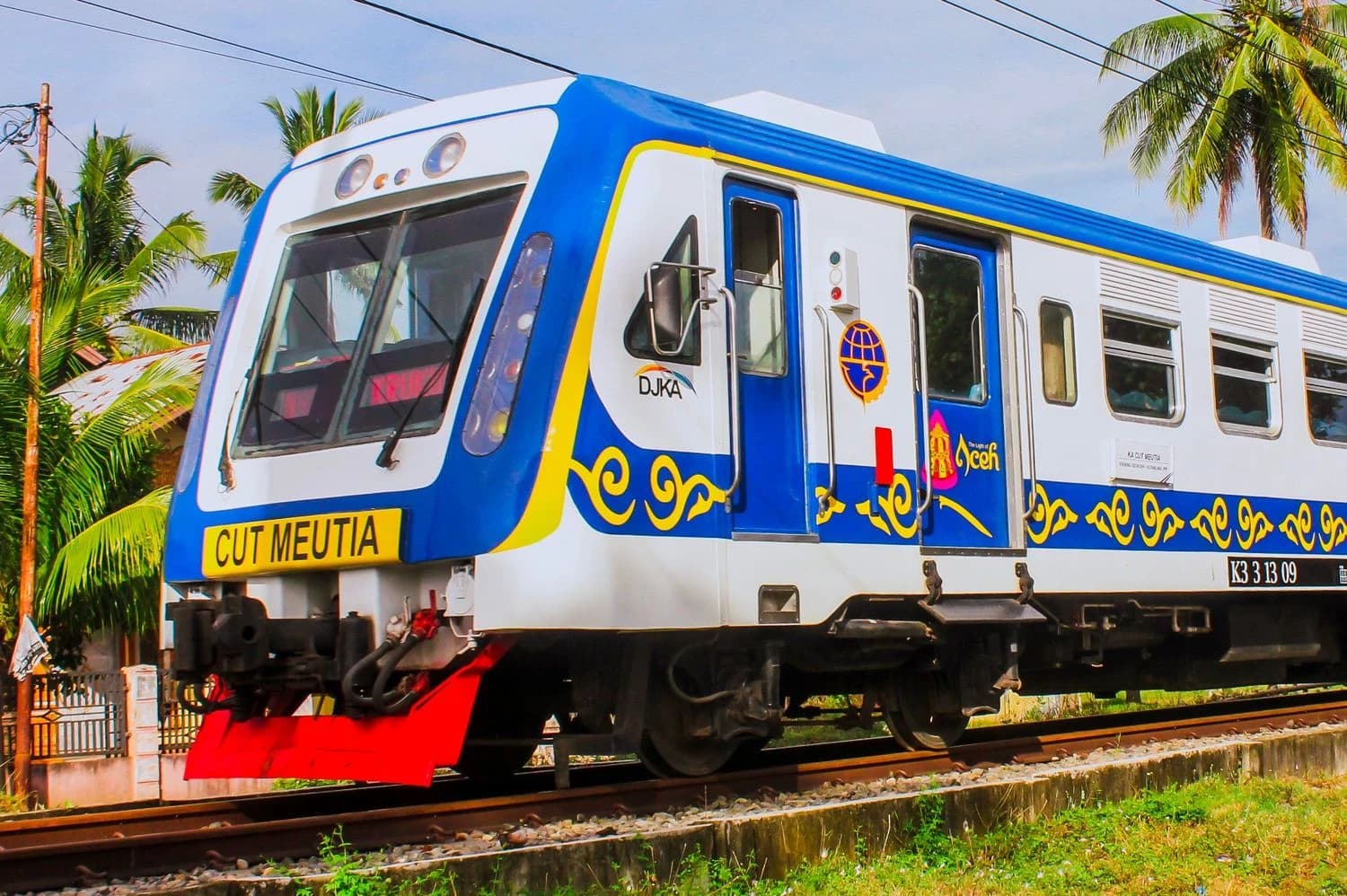
Diesel Multiple Unit (DMU)
Diesel Multiple Units (DMUs), moving independently without a locomotive, operate on short-distance and non-electrified routes, perfect for regions with moderate passenger traffic.
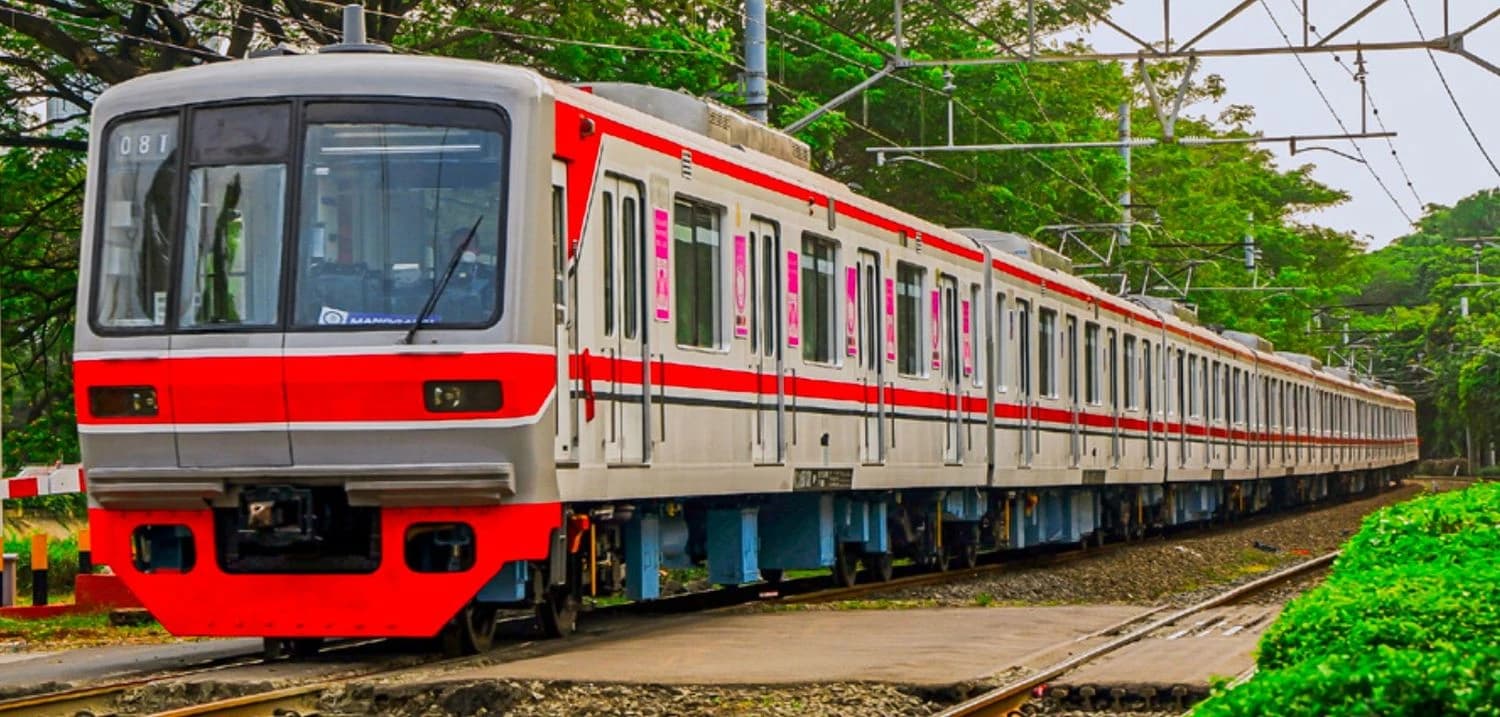
Electric Multiple Unit (EMU)
Electric Multiple Units (EMUs), self-powered by electricity, serve as the backbone of urban transport in Jabodetabek, offering efficiency, eco-friendliness, and high capacity.
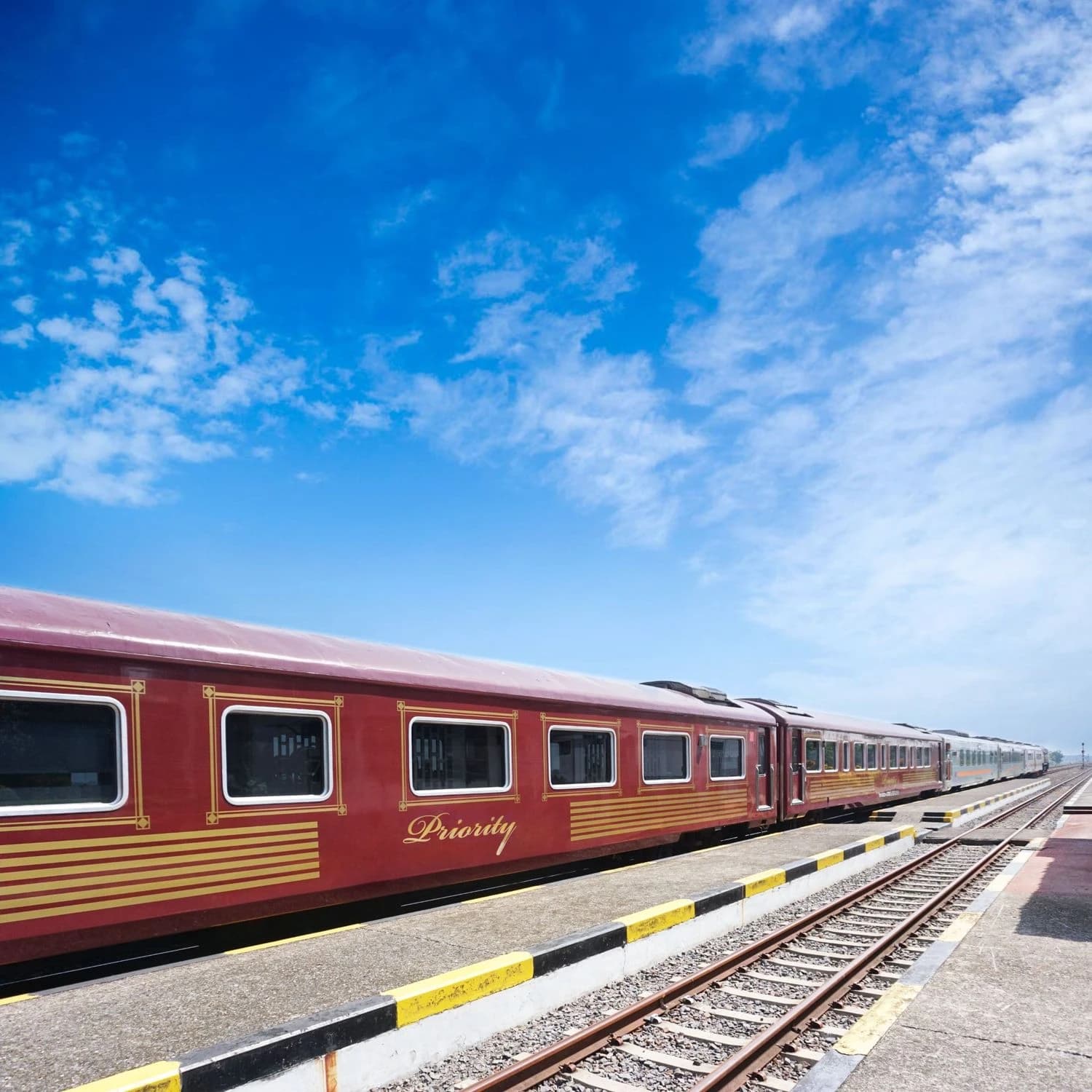
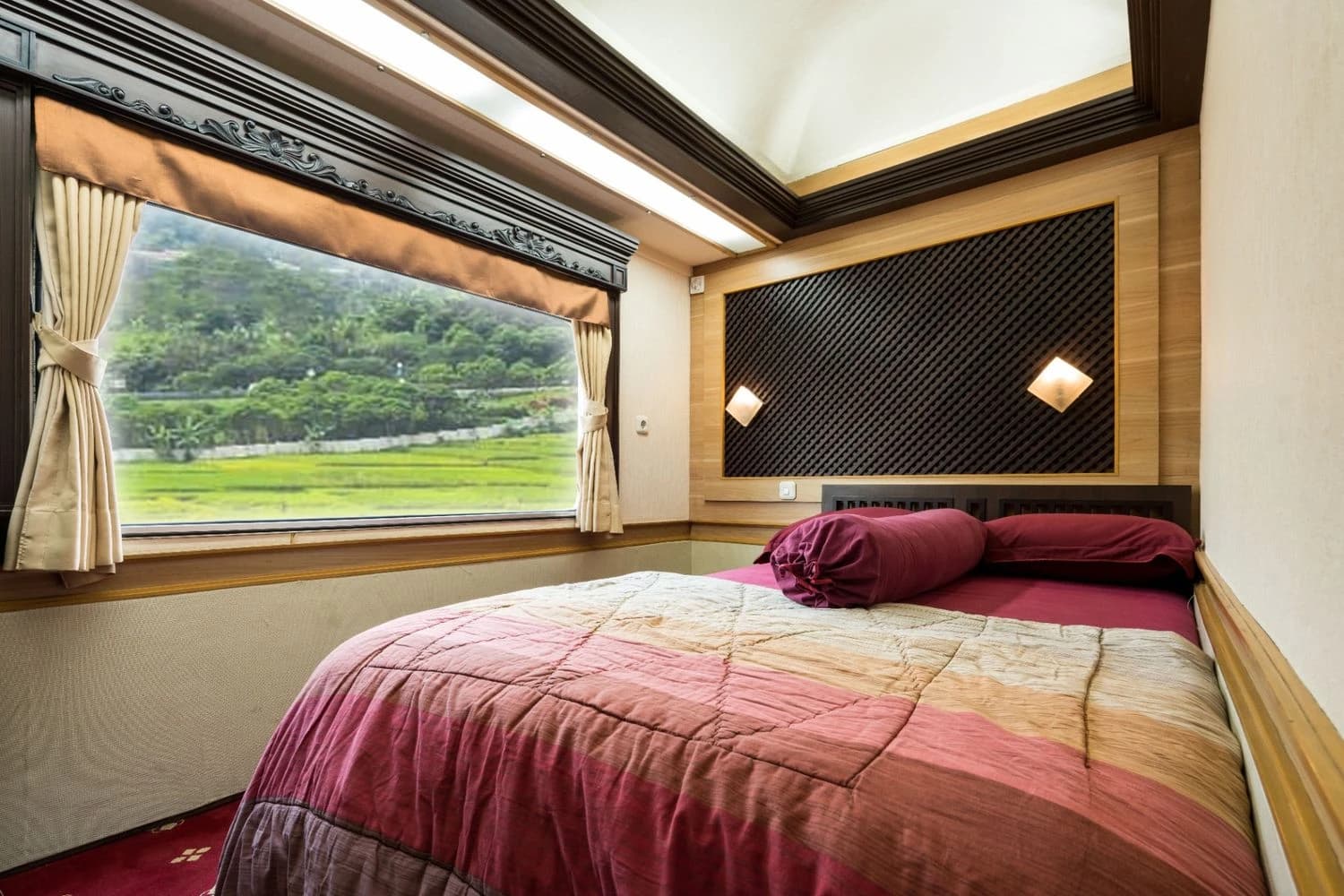
Tourist Train
Designed for thematic, historical, or luxury travel experiences. Often paired with steam locomotives or special carriages to create a nostalgic and exclusive atmosphere.
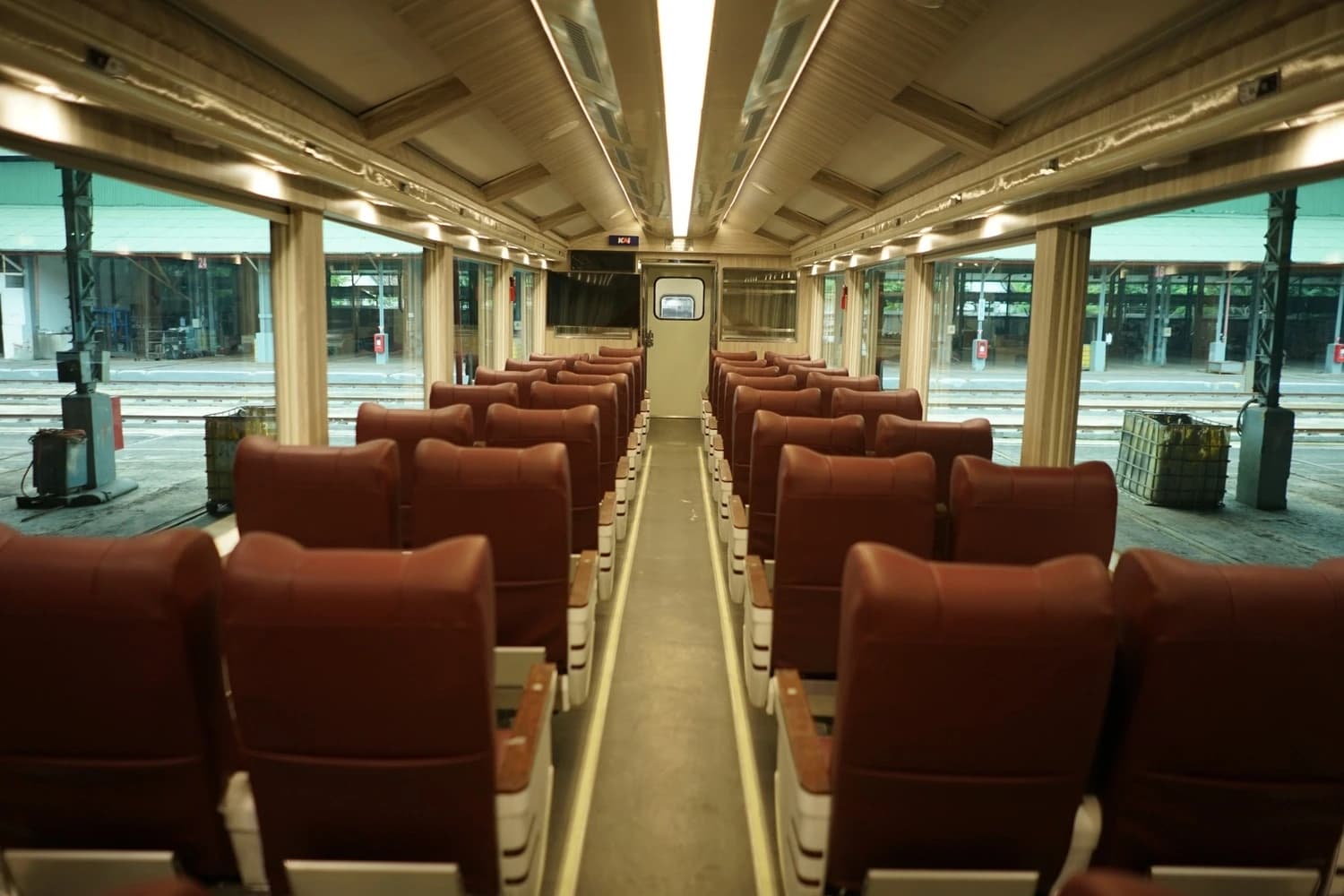
Modified Train
Modified trains, redesigned from standard models for special services, promotions, educational purposes, or innovation—standing as a true testament to KAI’s creativity and independence.
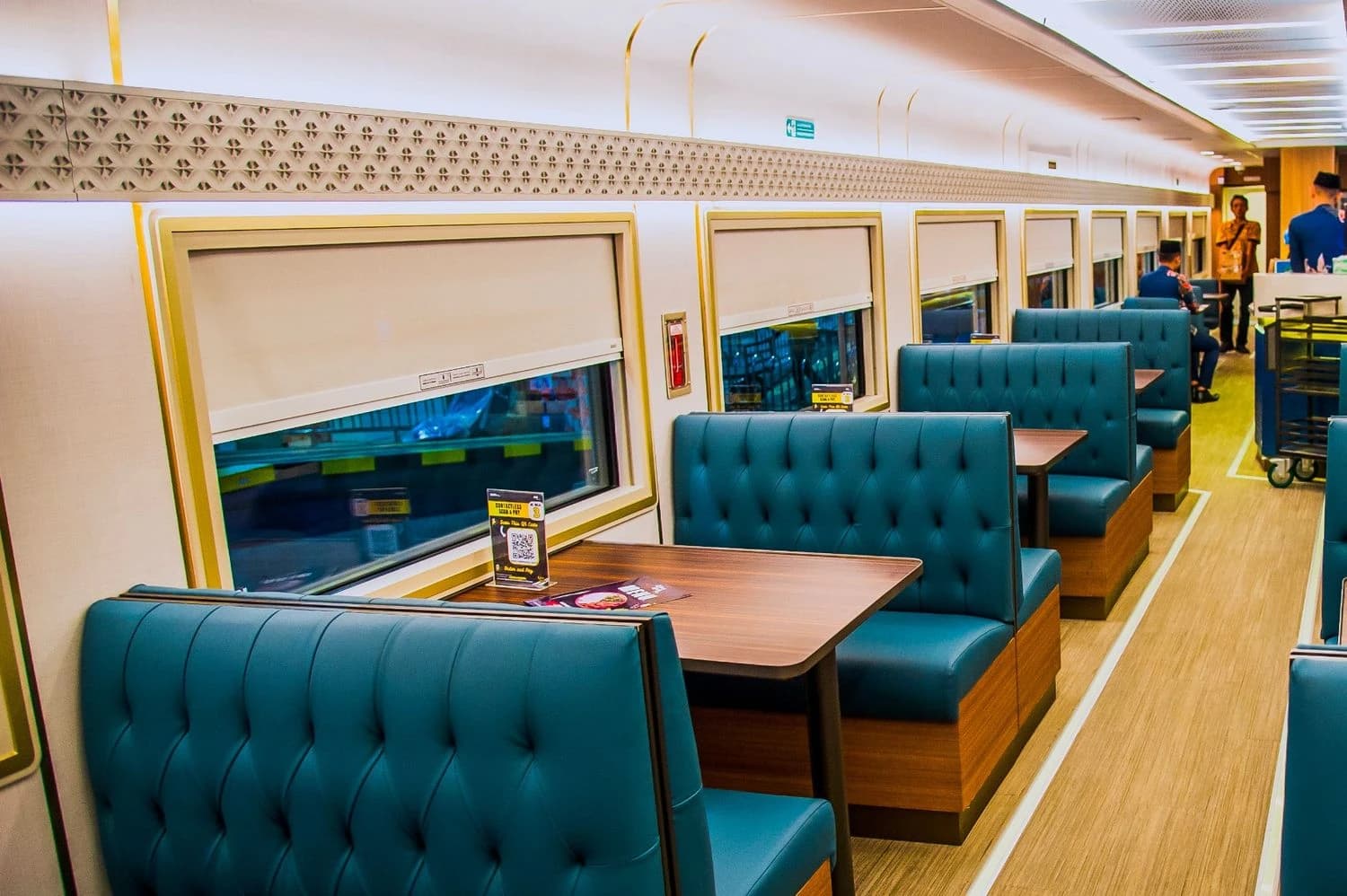
Dining Car
Offering food and beverage services on long-distance journeys, complete with a kitchen, dining area, and dedicated seating for passengers.
Generator Car
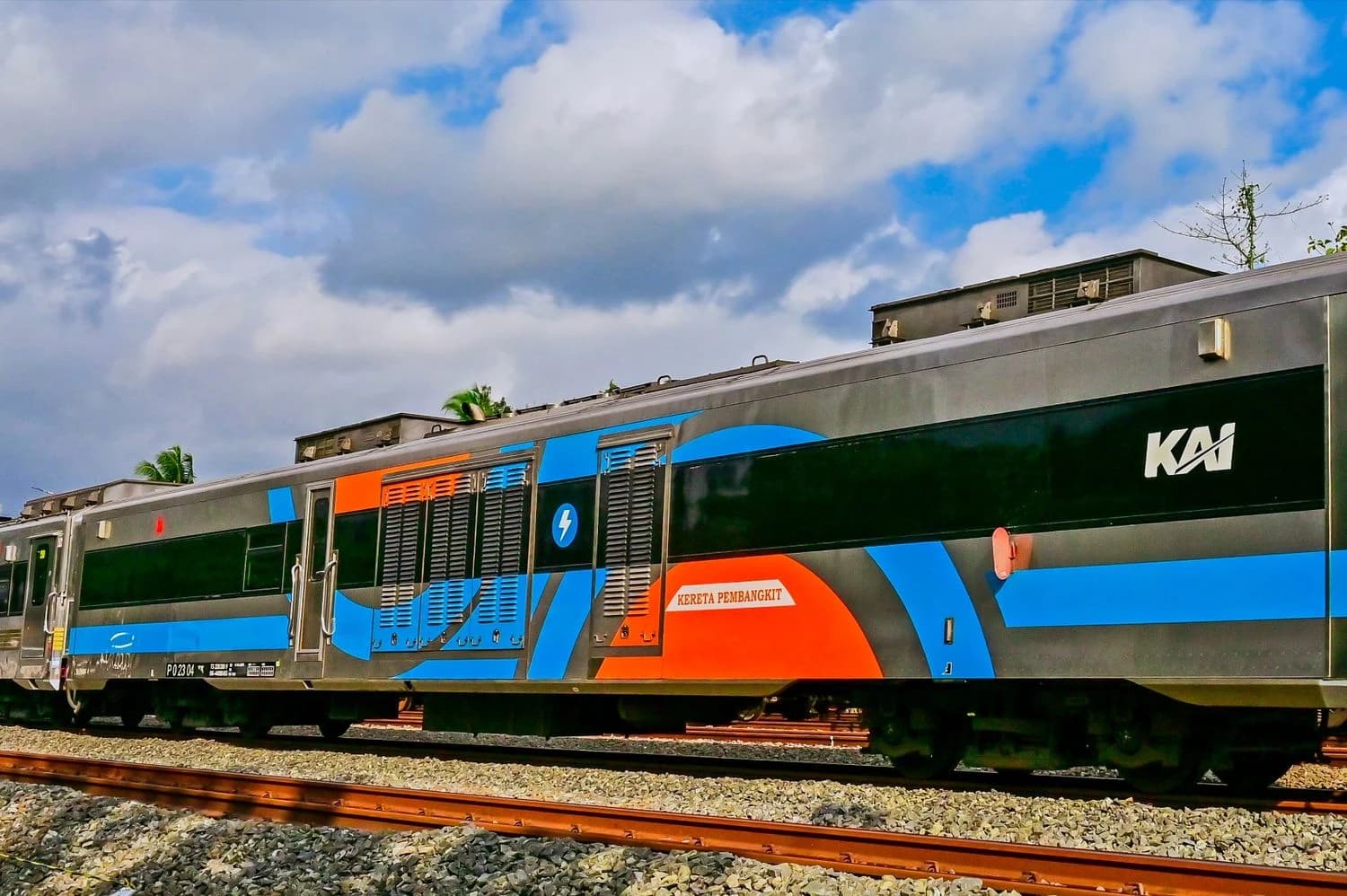
Power cars provide electricity for train sets, supporting air conditioning, lighting, and all onboard electrical systems, ensuring smooth long-distance journeys.
Luggage Car
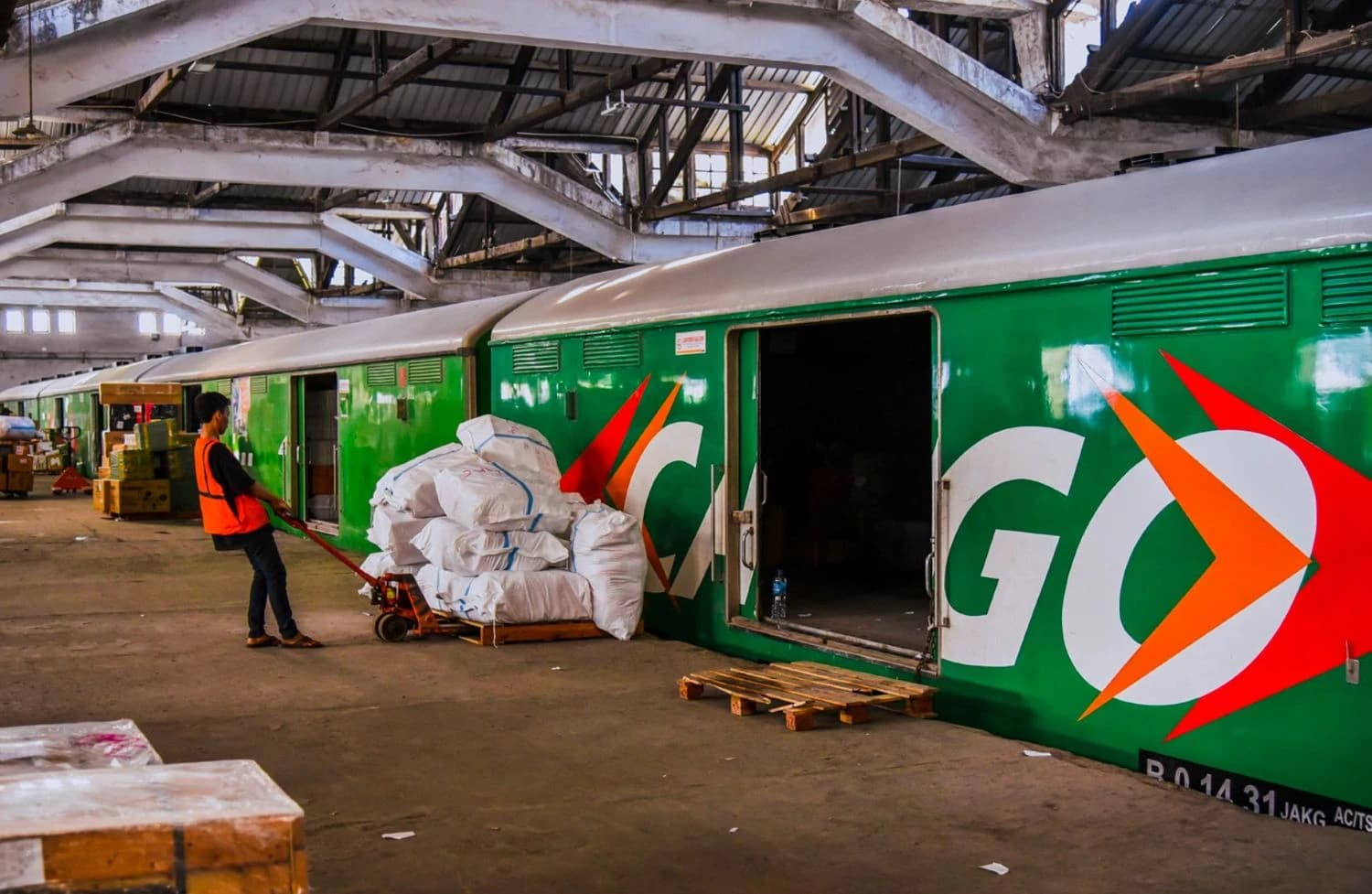
Baggage cars carry passenger belongings, parcels, and light logistics, with KAI ensuring safe, organized, and dependable handling every time.
Freight Car
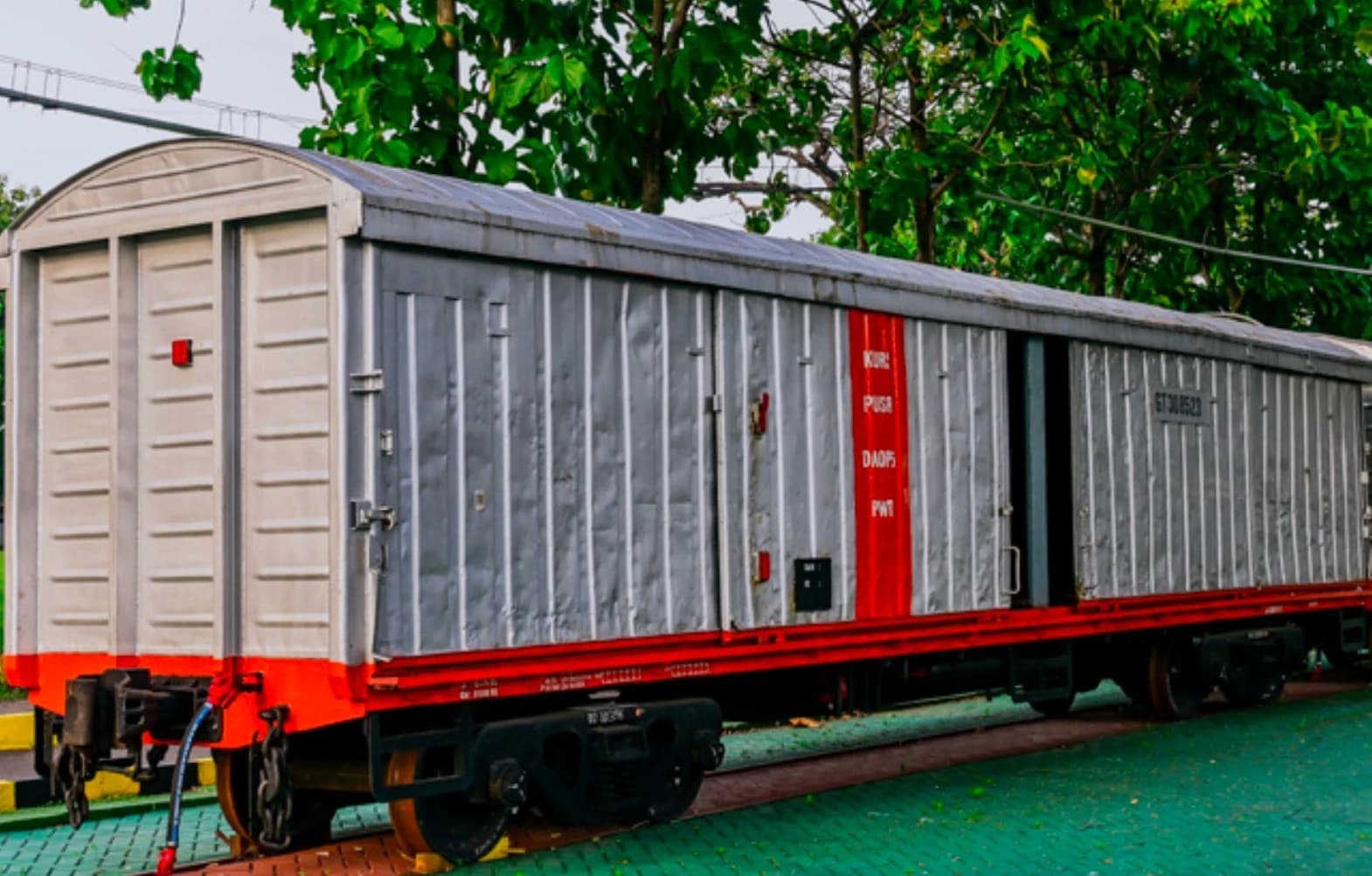
Locomotive-hauled to carry cargo with high capacity. Serving as the backbone of national logistics, they are safe, reliable, and continuously adapted to operational needs.
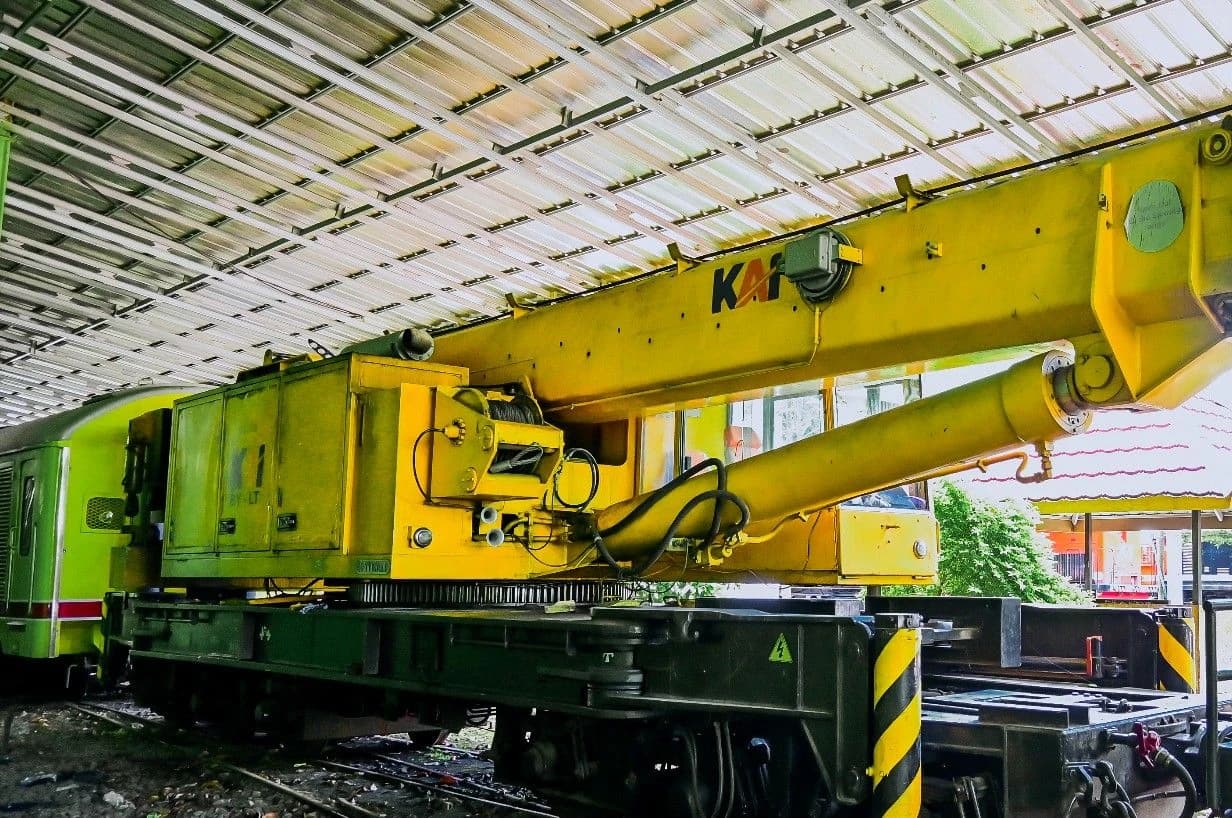
Special Purpose Rolling Stock
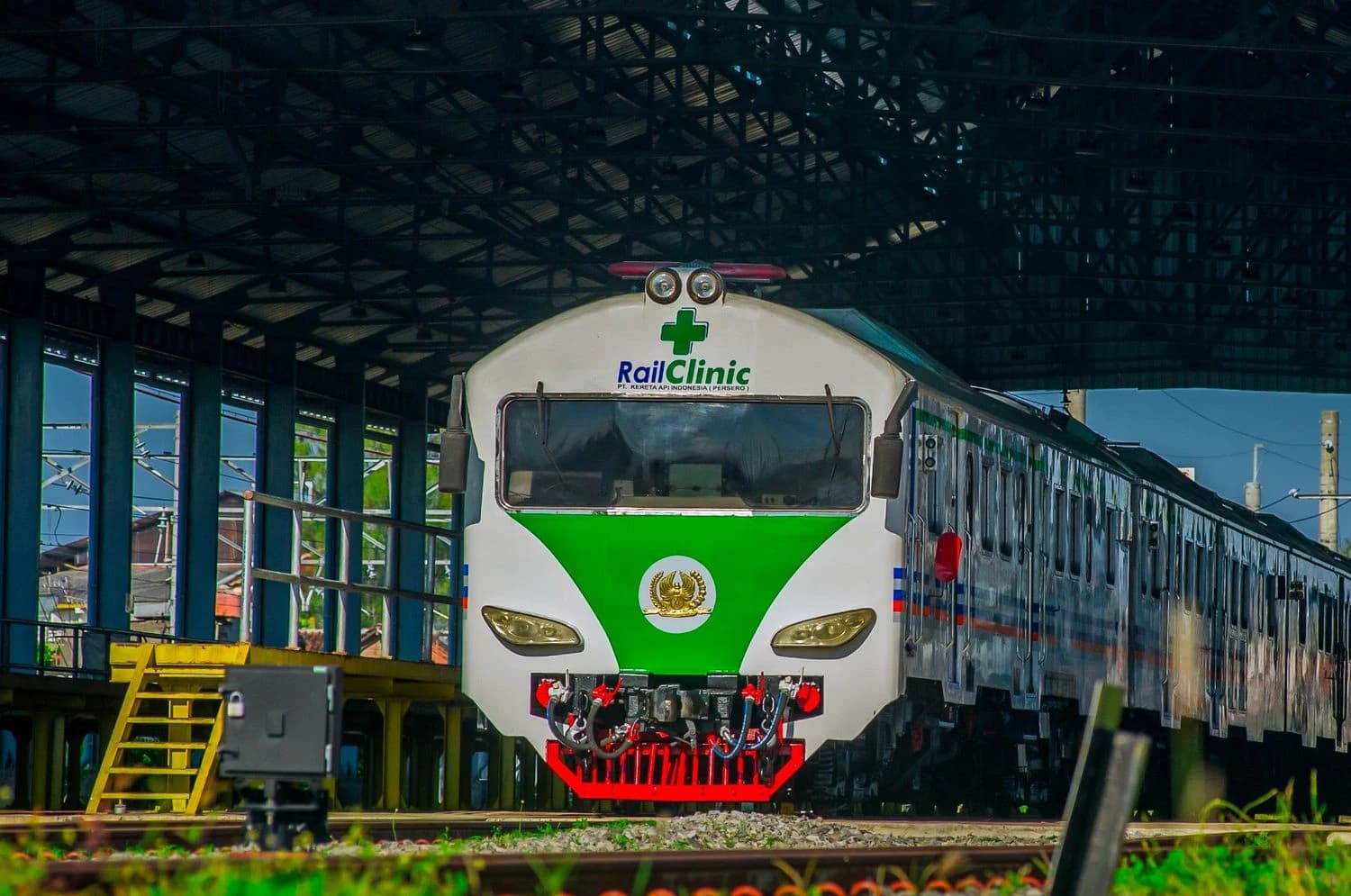
Dedicated railway support assets that back operations, maintenance, and safety, ensuring reliable infrastructure and seamless train journeys.
Steam Locomotive
Steam locomotives powered by wood, coal, or residual oil. Heritage machines from the colonial era, now preserved to deliver unique tourist train experiences and museum exhibitions.
Electric Locomotive
Powered by motors connected to overhead lines or a third rail. Operating since the electrification of the Tanjung Priuk–Jatinegara line in 1925, played a key role in the development of early urban railways.
Diesel Locomotive
Diesel locomotives powered by engines with mechanical, hydraulic, or electric transmission. Marking the era of Indonesia’s railway modernization in the 1950s, they now serve as the backbone of long-distance, local, and freight train operations.
Passenger Train
Locomotive-hauled passenger trains that continue to evolve, offering a range of services while always prioritizing safety.
Diesel Multiple Unit (DMU)
Diesel Multiple Units (DMUs), moving independently without a locomotive, operate on short-distance and non-electrified routes, perfect for regions with moderate passenger traffic.
Electric Multiple Unit (EMU)
Electric Multiple Units (EMUs), self-powered by electricity, serve as the backbone of urban transport in Jabodetabek, offering efficiency, eco-friendliness, and high capacity.
Tourist Train
Designed for thematic, historical, or luxury travel experiences. Often paired with steam locomotives or special carriages to create a nostalgic and exclusive atmosphere.
Modified Train
Modified trains, redesigned from standard models for special services, promotions, educational purposes, or innovation—standing as a true testament to KAI’s creativity and independence.
Dining Car
Offering food and beverage services on long-distance journeys, complete with a kitchen, dining area, and dedicated seating for passengers.
Generator Car
Power cars provide electricity for train sets, supporting air conditioning, lighting, and all onboard electrical systems, ensuring smooth long-distance journeys.
Luggage Car
Baggage cars carry passenger belongings, parcels, and light logistics, with KAI ensuring safe, organized, and dependable handling every time.
Freight Car
Locomotive-hauled to carry cargo with high capacity. Serving as the backbone of national logistics, they are safe, reliable, and continuously adapted to operational needs.
Special Purpose Rolling Stock
Dedicated railway support assets that back operations, maintenance, and safety, ensuring reliable infrastructure and seamless train journeys.
Steam Locomotive
Steam locomotives powered by wood, coal, or residual oil. Heritage machines from the colonial era, now preserved to deliver unique tourist train experiences and museum exhibitions.
Electric Locomotive
Powered by motors connected to overhead lines or a third rail. Operating since the electrification of the Tanjung Priuk–Jatinegara line in 1925, played a key role in the development of early urban railways.
Diesel Locomotive
Diesel locomotives powered by engines with mechanical, hydraulic, or electric transmission. Marking the era of Indonesia’s railway modernization in the 1950s, they now serve as the backbone of long-distance, local, and freight train operations.
Passenger Train
Locomotive-hauled passenger trains that continue to evolve, offering a range of services while always prioritizing safety.
Diesel Multiple Unit (DMU)
Diesel Multiple Units (DMUs), moving independently without a locomotive, operate on short-distance and non-electrified routes, perfect for regions with moderate passenger traffic.
Electric Multiple Unit (EMU)
Electric Multiple Units (EMUs), self-powered by electricity, serve as the backbone of urban transport in Jabodetabek, offering efficiency, eco-friendliness, and high capacity.
Tourist Train
Designed for thematic, historical, or luxury travel experiences. Often paired with steam locomotives or special carriages to create a nostalgic and exclusive atmosphere.
Modified Train
Modified trains, redesigned from standard models for special services, promotions, educational purposes, or innovation—standing as a true testament to KAI’s creativity and independence.
Dining Car
Offering food and beverage services on long-distance journeys, complete with a kitchen, dining area, and dedicated seating for passengers.
Generator Car
Power cars provide electricity for train sets, supporting air conditioning, lighting, and all onboard electrical systems, ensuring smooth long-distance journeys.
Luggage Car
Baggage cars carry passenger belongings, parcels, and light logistics, with KAI ensuring safe, organized, and dependable handling every time.
Freight Car
Locomotive-hauled to carry cargo with high capacity. Serving as the backbone of national logistics, they are safe, reliable, and continuously adapted to operational needs.
Special Purpose Rolling Stock
Dedicated railway support assets that back operations, maintenance, and safety, ensuring reliable infrastructure and seamless train journeys.
Gallery